TES Selection: The Stage Where 70% of Candidates Get Eliminated

Explore the TES selection process, its elimination rates, and actionable strategies to enhance your success rate in the Indian Defence exams.
TES Selection: The Stage Where 70% of Candidates Get Eliminated
Introduction
The Technical Entry Scheme (TES) is a challenging pathway to join the Indian Army for candidates who have completed their Class 12 with Physics, Chemistry, and Mathematics (PCM). This scheme offers a remarkable opportunity, but nearly 70% of candidates get eliminated during the selection process. In this article, we'll explore the nuances of the TES selection process, highlight common pitfalls, and provide actionable strategies to enhance your chances of success.
Understanding TES Selection Process
Overview of TES
The TES selection involves two major phases: the written examination and the SSB (Services Selection Board) interview. Candidates often underestimate the importance of both stages, leading to significant drop-offs in their chances of selection.
Written Examination
Candidates must first clear the written examination that tests their knowledge in PCM, General Knowledge, and English. It's crucial to excel in this segment, as the cut-off is competitive. (Refer to our articles on TES Cut-Off Percentage for detailed insights.)
Screening and SSB Interview
Upon clearing the written exam, candidates are called for the SSB, which is notoriously rigorous. This stage involves multiple tests over a duration of five days, focusing on candidates' psychological and physical abilities, ultimately evaluating their suitability for a career in the armed forces. Familiarizing yourself with SSB procedures can significantly enhance your performance, as each task, from the GTO Tasks to the Personal Interview, assesses various qualities.
Key Reasons for High Elimination Rate
- Inadequate Preparation: Many candidates fail to prepare effectively for either the written exam or the SSB interview.
- Lack of Knowledge: Insufficient grasp of core subjects can lead to poor performance in exams.
- Misunderstanding SSB Format: Candidates often misinterpret the SSB format, leading to confusion and underperformance in tasks like Group Discussions or Personal Interviews.
- Poor Time Management: Candidates frequently struggle with managing their time during tests and tasks, affecting their overall performance.
- Emotional Stress: The pressure of selection can lead to anxiety, impacting candidates’ ability to perform.
Strategies to Improve Selection Chances
Preparation Strategies
- Continuous Learning: Ensure you are well-versed in PCM subjects. Use online resources, books, and practice papers to strengthen your foundation.
- Mock Tests and Practice: Regularly engage in mock tests to familiarize yourself with the exam format. Join study groups for collaborative learning.
- Physical Fitness: Pass the Physical Fitness test by maintaining a consistent workout regime focusing on endurance and strength.
SSB Preparation
- Understand SSB Procedures: Familiarize yourself with different stages of SSB. Each task, from the GTO Tasks to the Personal Interview, assesses various qualities. Preparation should cater to each aspect individually.
- Build Leadership Skills: During the SSB, leadership quality is pivotal. Engage in teamwork activities, and seek opportunities for leadership roles in group settings. Understanding what assesses assessors during your GTO performance can also enhance your strategy.
- Decision-Making Under Pressure: Practice making quick, rational decisions. Simulate high-pressure situations while practicing group tasks.
Common Mistakes to Avoid
- Ignoring the Syllabus: Familiarize yourself with the full syllabus for the written exam. Don’t skip lesser-known topics, as they can be part of the exam.
- Underestimating Group Tasks: Many candidates overlook the importance of cooperative tasks in the SSB, which can be decisive in evaluations.
- Neglecting Current Affairs: Stay updated on national and international events. The General Knowledge section can have profound implications for your scores, and recent events highlighted at the Defense Awards Ceremony showcase the importance of staying informed.
Best Resources
- Books: Explore titles like "Mathematics for Class 12" for enhanced understanding of math concepts relevant to the exam.
- Online Platforms: Websites like practice portals for defence exams provide access to a variety of resources including question banks and videos.
- Coaching: Consider enrolling in coaching programs focused on TES preparation. Best TES Coaching in India can help you stay on track.
Key Takeaways
- Preparation is Not Optional: Meticulous preparation is essential for success in both written and SSB exams.
- Practice Makes Perfect: Engaging in regular mock tests and group discussions enhances understanding and performance.
- Be Strategic and Calm: Maintain composure during group tasks while being strategic in your decisions.
- Stay Informed: Keep abreast of current affairs and developments in defence-related topics, as they can significantly influence your performance.
FAQs
What subjects are included in the TES written exam?
The TES written exam primarily covers subjects like Physics, Chemistry, Mathematics, General Knowledge, and English. A firm grasp on these is crucial for success.
How important is the SSB in the overall selection process?
The SSB carries significant weight in the selection process, evaluating not just academic knowledge but also psychological and interpersonal skills. It is vital to excel here to secure a position.
What are the common physical requirements for TES candidates?
Candidates should be physically fit, generally requiring a minimum of 14 pull-ups, 9 push-ups, and the ability to run 2.4 km in under 15 minutes. Keep fitness levels high to ensure you meet these standards.
Can I retake the TES exam if I do not clear it the first time?
Yes, candidates can reapply for TES in subsequent years, but it’s important to address areas of weakness before reattempting.
How can I handle anxiety during the SSB?
Practicing mindfulness and relaxation techniques can help manage stress. Engaging in mock interviews and group discussions before the actual SSB can also build confidence.
Conclusion
The TES selection process is highly competitive, with a significant portion of candidates facing elimination. By understanding the intricacies of both the written and SSB stages, preparing adequately, and avoiding common mistakes, you can improve your chances of success significantly. Embrace the journey, stay focused, and remember that systematic preparation is the key to cracking TES.
📸 Visual Reference

Key Points to Remember
Most Important Topics
Command Task objectives and assessment criteria.
Quick Revision Formula
Plan, communicate, delegate, adapt, and execute.
Exam Strategy
Focus on clarity, teamwork, and conflict resolution.
Do & Don't
Do engage your team; Don’t ignore task guidelines.
Expert Tip
Always think aloud; it helps in engaging your team and keeping them informed.
❓ Frequently Asked Questions
🚀 Revision & Motivation
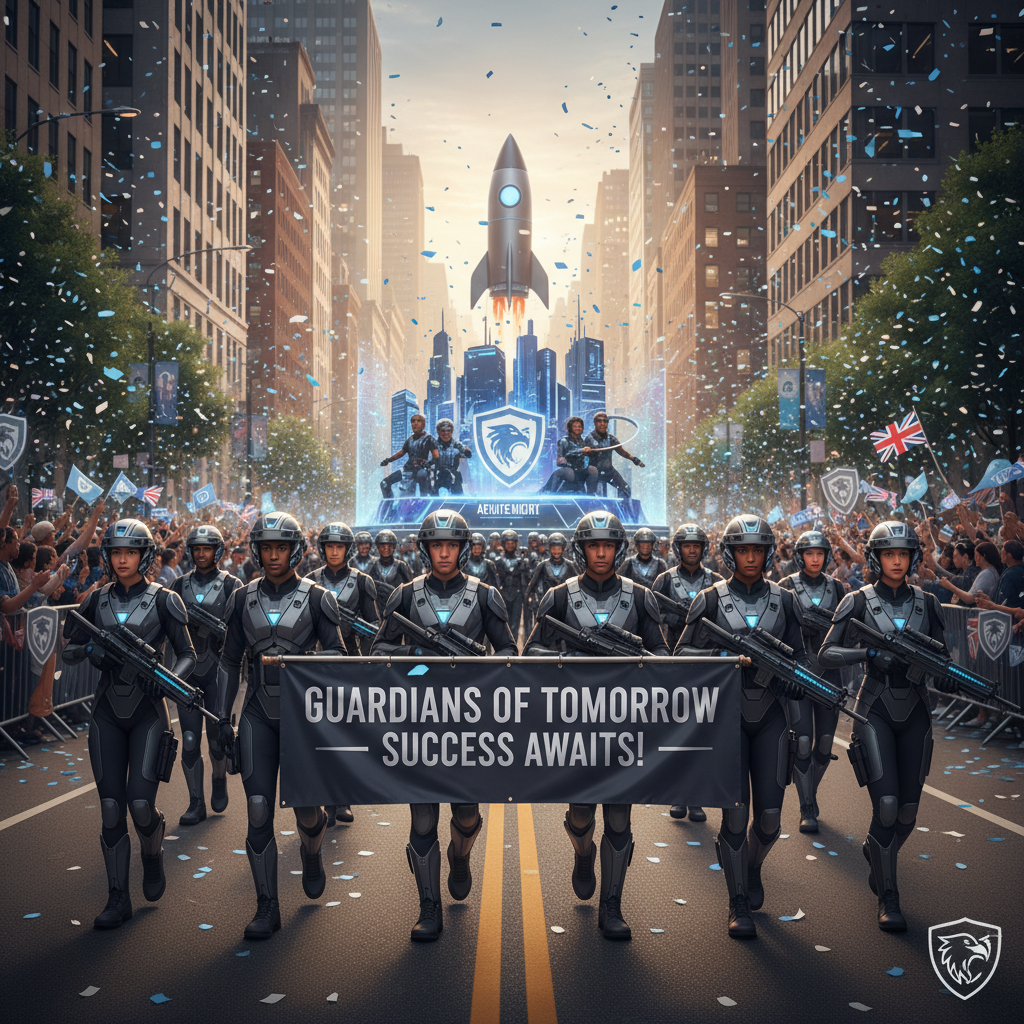
Start Your Defence Journey Today
Success in the Command Task can open doors to a promising career in the Indian defence services. Remember, it’s not only about completing a task but also about showcasing your ability to lead, communicate, and inspire. Stay focused, practice diligently, and embrace the challenge ahead!
Discover why 70% of TES candidates are eliminated and learn strategies to excel in the selection process for Indian Defence forces.