SSB Interview: The Framework That Helped a Beginner Clear First Attempt
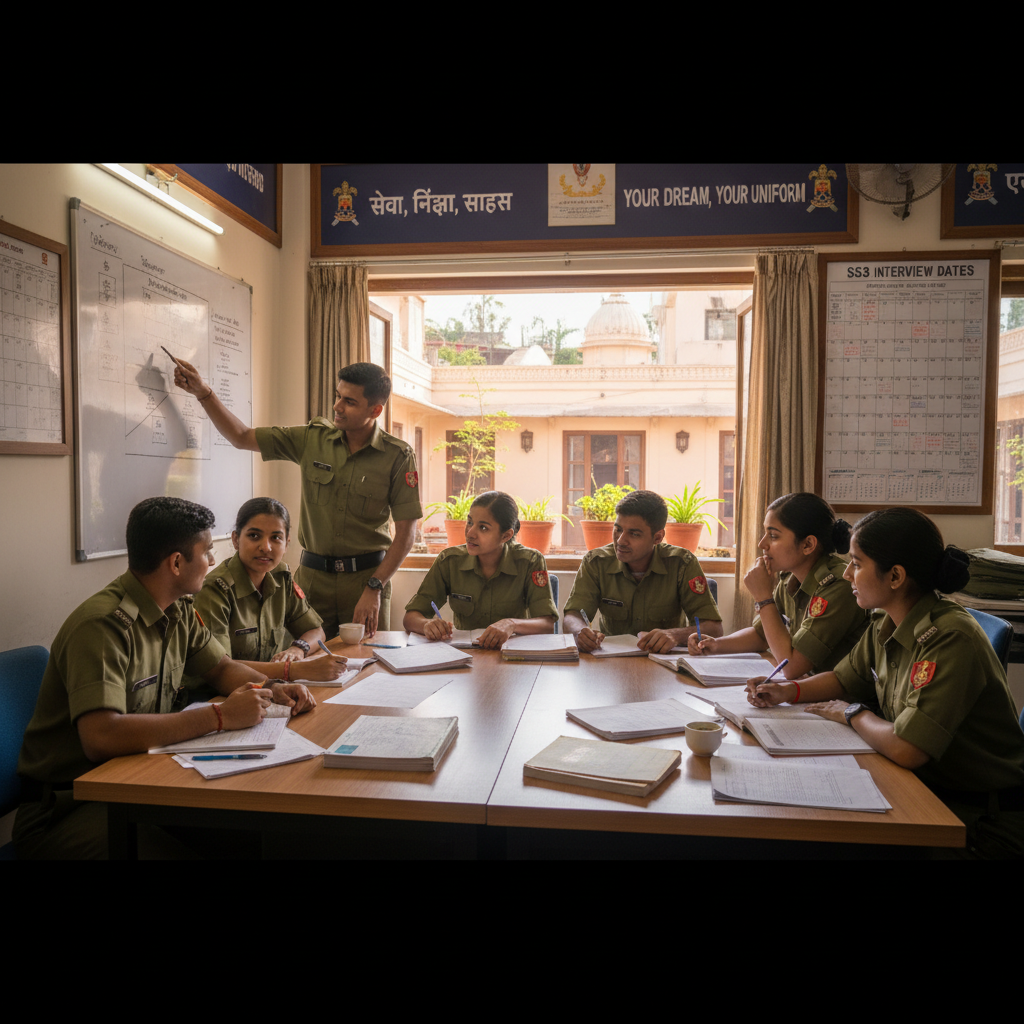
This comprehensive guide offers beginners effective strategies to navigate the SSB Interview process, highlighting essential preparation tips, common pitfalls, and key concepts for success.
Introduction
The SSB Interview is a pivotal gateway for candidates seeking to join the esteemed Indian Defence Services. This detailed guide is tailored specifically for beginners aiming to navigate the multifaceted SSB selection process effectively. In 2026, with the competition intensifying, having a systematic preparation strategy has never been more critical. To learn more about the stages, check out our SSB for Beginners: The Complete Walkthrough From Registration to Result.
Understanding the SSB Interview Process
To successfully clear the SSB Interview, one must grasp the core stages and underlying methodologies involved in the selection:
Stages of SSB
The SSB Interview unfolds in five dynamic days, characterized by three primary stages:
-
Psychological Tests
- Thematic Apperception Test (TAT): Candidates create stories from ambiguous images to reflect their personality traits. For tips on effective story writing, see our guide on TAT: How to Write Stories That Show Leadership, Not Heroism.
- Word Association Test (WAT): Respondents write instantaneous words that come to mind upon seeing specific words, showcasing their thoughts and perspectives. Understanding your responses can be guided by our article on WAT: The Hidden Word Categories That Reveal Your Thinking Style.
- Situation Reaction Test (SRT): Candidates react to hypothetical situations, assessing decision-making abilities under pressure. Check our insights in SRT: What Your Answers Say About You That You Don't Realize.
-
Group Testing Officers (GTO) Tasks
- These collaborative tasks are designed to evaluate leadership qualities and teamwork under pressure. A good understanding of these tasks can be found in What Assessors Actually Watch During Your GTO Performance.
- Examples include group discussions, command tasks, outdoor problem-solving activities, and more.
-
Personal Interview (PI)
- This crucial segment allows candidates to demonstrate their motivation and suitability for military service, emphasizing personality, background, and aspirations.
Effective Preparation Strategies
Essential Study Plan & Resources
Creating a structured study plan is vital:
- Daily Schedule: Allocate specific time slots each day to tackle various aspects such as psychological tests, GTO practices, and current affairs.
- Recommended Study Materials & Resources:
- Books such as "The SSB Interview" by A.K. Sinha, covering detailed exam-oriented strategies.
- Previous years' question papers for practice and self-assessment.
- Online courses from reputable coaching institutes that emphasize mock interview sessions and SSB principles, such as our SSB interview coaching.
- Consistency: Commit to a consistent study routine to ensure progressive learning and confidence building.
Practical Preparation Tips
In addition to studying theory, candidates should engage in the following practical strategies:
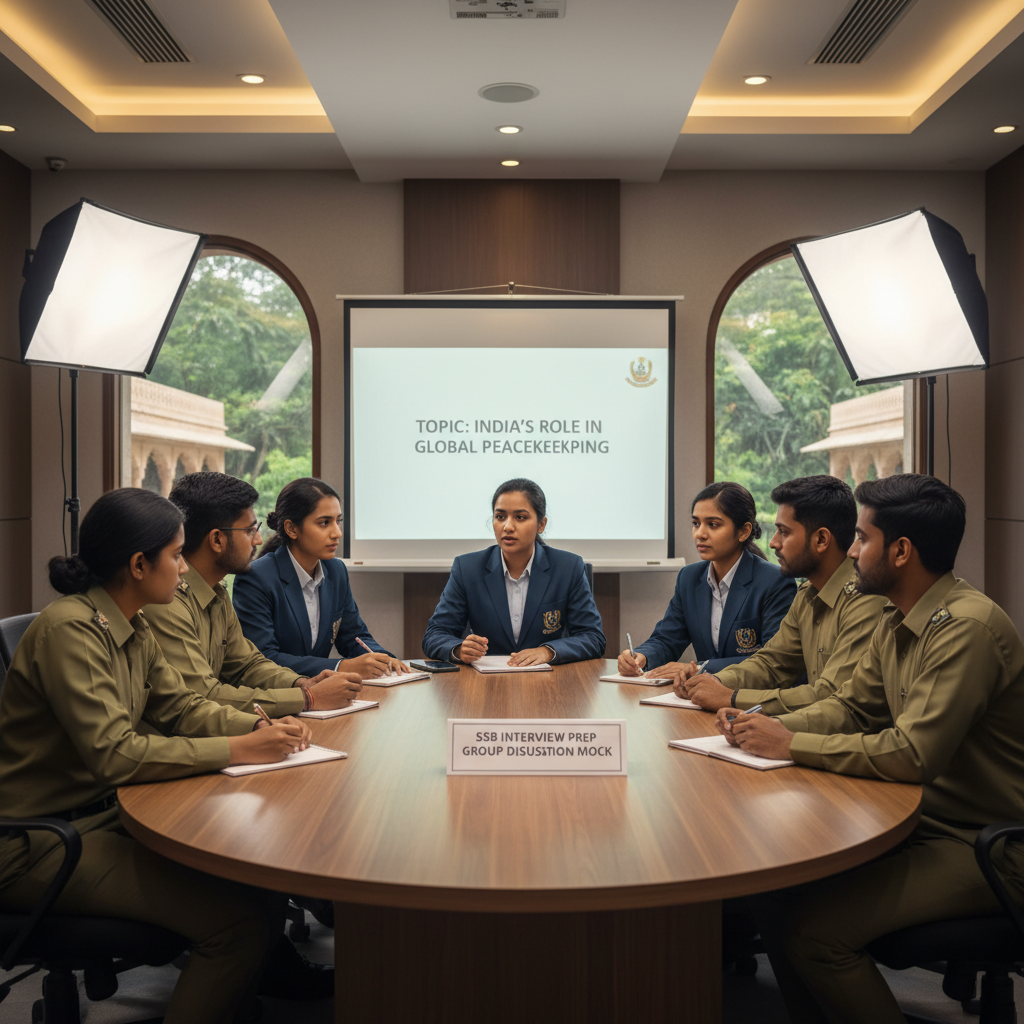
- Mock Interviews: Regular mock interviews with peers or mentors can greatly enhance communication skills and provide checklist feedback. Joining a mock interview program could add significant value to your practice.
- Simulated GTO Tasks: Participate in group activities that mirror actual GTO exercises to experience collaborative problem-solving firsthand.
- Physical Fitness: Essential for succeeding in GTO tasks, a routine of regular exercise should complement your study efforts.
Common Mistakes to Avoid
Being aware of common pitfalls can increase your chances of success:
- Inadequate Preparation: A reliance on theory without real-world practice can hinder performance in practical assessments.
- Neglecting Group Activities: Strive for a balanced approach in group tasks, avoiding extremes of dominating discussions or remaining passive. Candidate’s influence in GTO tasks can significantly affect their evaluation.
Key Concepts to Cover
Understanding key themes will consolidate your readiness:
| Concept | Description |
|---|---|
| GTO Tasks | Evaluate collaboration, leadership, and team spirit through various group activities. |
| Psychological Tests | Assess behavioral and personality traits through structured evaluations like TAT, WAT, and SRT. |
| Personal Interview Focus | Concerns background, motivations, current affairs, and theoretical knowledge of military operations. |
Decision Guide for Beginners
Do’s and Don’ts for SSB
| Do | Don’t |
|---|---|
| Practice regularly with peers. | Overprepare for personal interviews, leading to inauthentic responses. |
| Maintain physical fitness. | Become complacent through too much reliance on resources. |
| Organize and prepare documents early. | Avoid current affairs discussions with peers. |
Myth vs. Reality
Exploring common misconceptions can clarify expectations:
| Myth | Reality |
|---|---|
| Only the rank matters in SSB. | Personality, traits, and collaborative skills are equally important. |
| SSB preparation only involves studying. | Practical application and peer collaboration are vital for success. |
Key Takeaways
- 📌 Understanding the SSB framework is crucial for beginners, as it helps to align preparation with expectations.
- ⚡ Engaging in systematic study forms the backbone of effective SSB preparation.
- 🎯 Physical fitness paired with mental preparedness enhances performance during GTO tasks.
- ✅ Avoid common mistakes by staying aware of the pitfalls during preparation.
- 💡 Key strategies include continuous mock tests and feedback loops for improvement.
FAQs
- What is the SSB Interview and its significance?
The SSB Interview serves as a comprehensive assessment for candidates vying to join the Indian Armed Forces, focusing on their suitability through personality evaluations and group dynamics. - How long does the SSB Interview process take?
The entire SSB process spans five days, encompassing a series of tests designed to gauge various competencies of the candidates. - What types of questions are posed during the Personal Interview?
Candidates may face questions regarding their personal background, motivation for joining the military, and insight on current affairs. - Is self-preparation viable for SSB?
While self-study is achievable, engaging in group discussions can enhance understanding and readiness for group dynamics critical to success in GTO tasks. - Why is physical fitness crucial for SSB preparation?
Physical fitness significantly impacts performance, especially during the GTO tasks which require endurance and teamwork. - How can I keep abreast of current affairs for SSB preparation?
Dedicating time to follow news from reliable sources, discussing topics with peers, and utilizing strategic revision methods are key to staying updated.
Conclusion
Embarking on your SSB Interview preparation can be both exhilarating and demanding. However, with a deep understanding of the process, effective strategies, and a determined mindset, you can clear the SSB Interview on your first attempt and take a significant step toward achieving your dream of joining the Indian Defence Forces! Stay focused and remember, your journey is just beginning!
📸 Visual Reference
Key Points to Remember
Most Important Topics
GTO tasks, psychological assessments, interview techniques.
Quick Revision Formula
Regular mock tests + Review strategy = Success.
Exam Strategy
Focus on group dynamics, effective communication, and personal expression.
Do & Don't
Do: Practice regularly with peers. Don’t: Disregard physical fitness.
Expert Tip
Keep your documents organized and ready for the interview day.
❓ Frequently Asked Questions
🚀 Revision & Motivation
Start Your Defence Journey Today
Embarking on your journey to join the Indian Defence Forces is both exciting and challenging. With the right preparation and mindset, you can conquer the SSB Interview and step closer to your goal. Stay focused, and remember, determination is the key to success!
Navigate the SSB Interview process with expert tips, tricks, and strategies to succeed on your first attempt. Prepare effectively and confidently!