What the Last 10 TES Entries Reveal About Selection Percentage
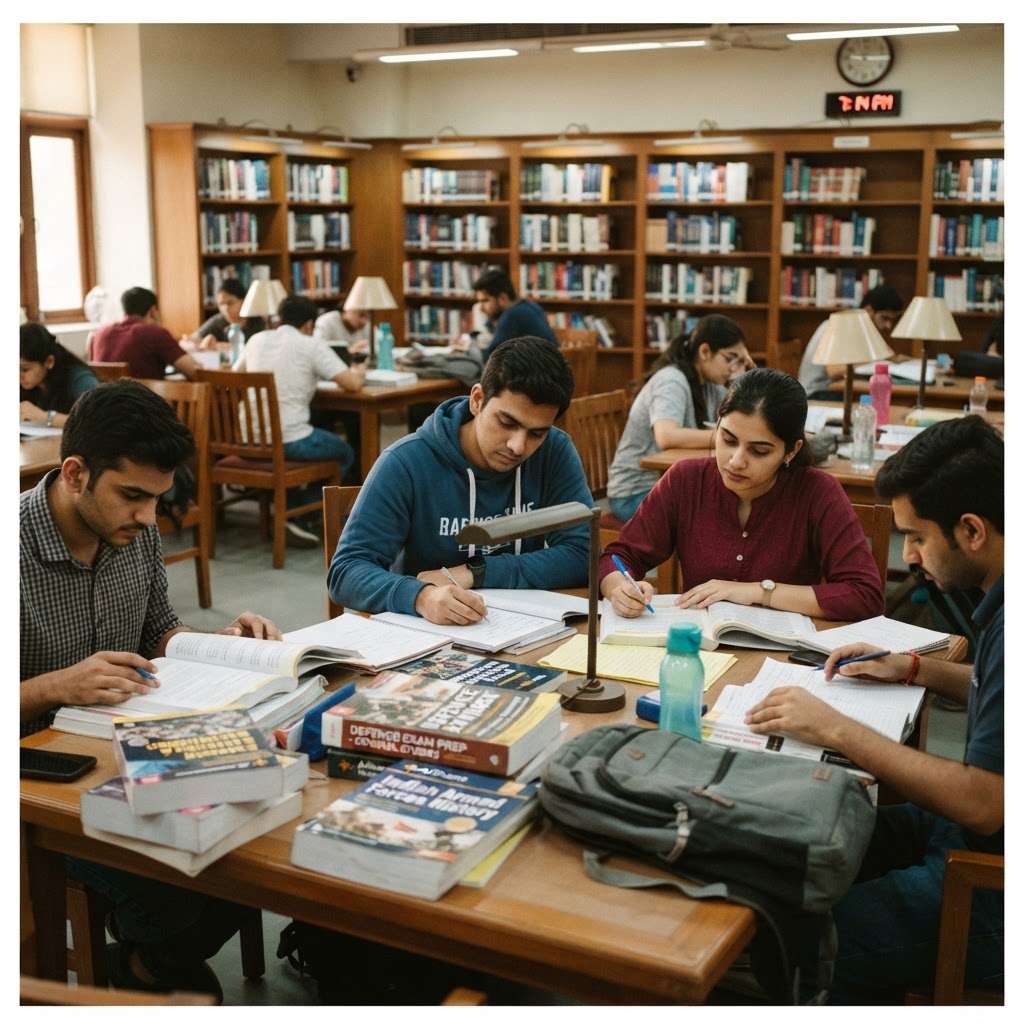
This blog explores TES cut-off trends from the last ten entries, guiding candidates on how to improve their chances of selection for the Indian Army.
What the Last 10 TES Entries Reveal About Selection Percentage
Introduction
Understanding the TES (Technical Entry Scheme) cut-off percentages is crucial for candidates aspiring to join the Indian Army as commissioned officers. In this article, we will analyze the cut-off trends observed from the last ten TES entries, what they mean for your preparation, and how you can leverage this information to enhance your chances of selection. For more detailed insights, check out our article on TES Eligibility Scenarios Explained with Real Candidate Examples.
Significance of Cut-off Percentages
The cut-off percentages for TES typically range from 85% to 90%. These percentages fluctuate based on various factors such as the number of applicants, available vacancies, and overall candidate performance. Being aware of these trends aids in making informed decisions about your preparation strategies, ensuring you are well-equipped to meet or exceed these benchmarks. You can find more about potential scores in our blog post on Can You Get TES with 75%, 80% or 85% PCM? Here's the Data.
Historical Selection Trends
The following table outlines the cut-off percentages for the last ten TES entries:
| Year | Cut-off Percentage |
|---|---|
| 2023 | 88% |
| 2022 | 87% |
| 2021 | 86% |
| 2020 | 85% |
| 2019 | 89% |
| 2018 | 88% |
| 2017 | 87% |
| 2016 | 86% |
| 2015 | 90% |
| 2014 | 85% |
Analysis of Trends
A close examination of the data reveals several insights:
- Stability and Competition: The cut-off percentages have largely stayed within a narrow range, reflecting a steady level of competition among applicants.
- Gradual Increase: There’s a slight upward trend in cut-offs, indicating that applicant performance is improving over time. Understanding this can help aspirants benchmark their own performance, allowing for more realistic goal setting.
Eligibility Criteria for TES
To be eligible for TES, candidates must meet the following requirements:
- Educational Qualification: Candidates should have completed their 12th grade with a focus on Physics, Chemistry, and Mathematics (PCM) and possess a valid engineering degree from a recognized institution. For insights on edge cases, refer to our article on Will You Actually Qualify for TES? Check These 8 Edge Cases.
- Age Limit: The age limit typically ranges from 16.5 to 19.5 years, making it imperative for aspirants to check the specific eligibility criteria for the year they plan to apply.
Selection Process
The selection process for TES involves the following stages:
- Written Examination: Candidates must take written tests assessing their knowledge in Mathematics, Physics, and general engineering principles.
- SSB Interview: Those who clear the written exam are invited for the Services Selection Board (SSB) interview, which consists of various psychological tests, group tasks, and personal interviews. For detailed insights on the SSB process, check our guide on TES SSB: The Full Process From Day 1 to Conference.
- Medical Examination: Finally, candidates must pass a medical examination to ensure they meet the fitness standards required for military service. More about the medical standards can be found in our article on TES Medical Standards: What Actually Gets You Rejected.
Preparation Strategy
A methodical and organized approach to preparation is essential for success in the TES exam. Here are some key steps:
Key Steps:
- Comprehensive Syllabus Understanding: Familiarize yourself with the TES syllabus, focusing particularly on Mathematics, Physics, and relevant engineering concepts applicable to your field of study. For effective preparation, you might want to explore our TES coaching.
- Daily Study Schedule: Draft a daily study schedule that ensures a balanced allocation of time to each subject.
- Example Daily Plan:
- Morning: 2 hours on Mathematics (emphasizing calculus and algebra).
- Afternoon: 2 hours on Physics (focusing on mechanics and thermodynamics).
- Evening: 1 hour reviewing weaker concepts.
- Example Daily Plan:
- Utilization of Study Materials: Choose the right study materials and reference books specifically tailored for the TES exams. Recommended resources include CDS Exam Books and AFCAT Preparation Guides.
Mock Tests
To enhance exam readiness, incorporate regular mock testing into your preparation:
- Practice Previous Years’ Papers: Engage with past exam papers to gain familiarity with the exam format and typical question types. This hands-on experience is invaluable for building confidence. Utilize resources such as CDS Previous Year Papers.
Common Mistakes to Avoid
Candidates frequently make missteps that could jeopardize their success:
- Ignoring Weaker Subjects: Focusing exclusively on strengths while neglecting weaker areas can result in subpar overall performance.
- Last-Minute Preparation: Cramming immediately before the exam is ineffective. Adopting consistent study habits is far more beneficial.
- Neglecting Revision: Failing to regularly revisit previously covered material can lead to forgotten concepts and poor retention.
Myth vs. Reality
Here we debunk some common misconceptions surrounding the TES:
| Myth | Reality |
|---|---|
| High scores guarantee selection. | Competition remains fierce; many factors impact selection. |
| Only engineering students can excel. | All PCM students can prepare, leveraging their knowledge. |
| SSB is easy if the written exam is cleared. | SSB preparation requires a distinct focus on OLQs. |
Expert Insights
“Strategic preparation requires not just hard work but strategic planning and an in-depth understanding of the exam structure. Prioritize regular practice and systematic revision.” - Defence Exam Mentor.
Key Takeaways
- Stay Updated: Regularly monitor the official UPSC and Indian Army websites for the latest TES announcements and cut-off trends.
- Structured Study Plan: Develop and adhere to a disciplined study schedule that integrates both theoretical knowledge and regular practice. Consider accessing our SSB interview coaching for further assistance.
- Holistic Preparation: Recognize that succeeding in the TES exam involves thorough preparation for both the written exam and the SSB interview.
FAQs
Q1: What has been the recent cut-off percentage for TES?
A1: In recent years, the cut-off percentage has ranged between 85% and 90%.
Q2: How can I verify the TES cut-off marks?
A2: It is best to consult the UPSC and Indian Army official websites for the latest announcements regarding TES cut-off marks.
Q3: Which subjects should I prioritize for TES preparation?
A3: Focus primarily on Mathematics, Physics, and key engineering concepts applicable to your selected discipline.
Q4: Is there a negative marking system in TES?
A4: Yes, incorrect answers generally result in a penalization through negative marking.
Q5: Can I manage TES preparation while attending college?
A5: Yes, with efficient time management and a solid study plan, you can successfully prepare while pursuing your college education.
Final Thoughts
Navigating the TES examination can be challenging, but with the right tactics and an informed understanding of cut-off trends, you can enhance your chances of selection. Keep your focus, continue improving, and channel your efforts into excelling across all areas of your preparation!
📸 Visual Reference
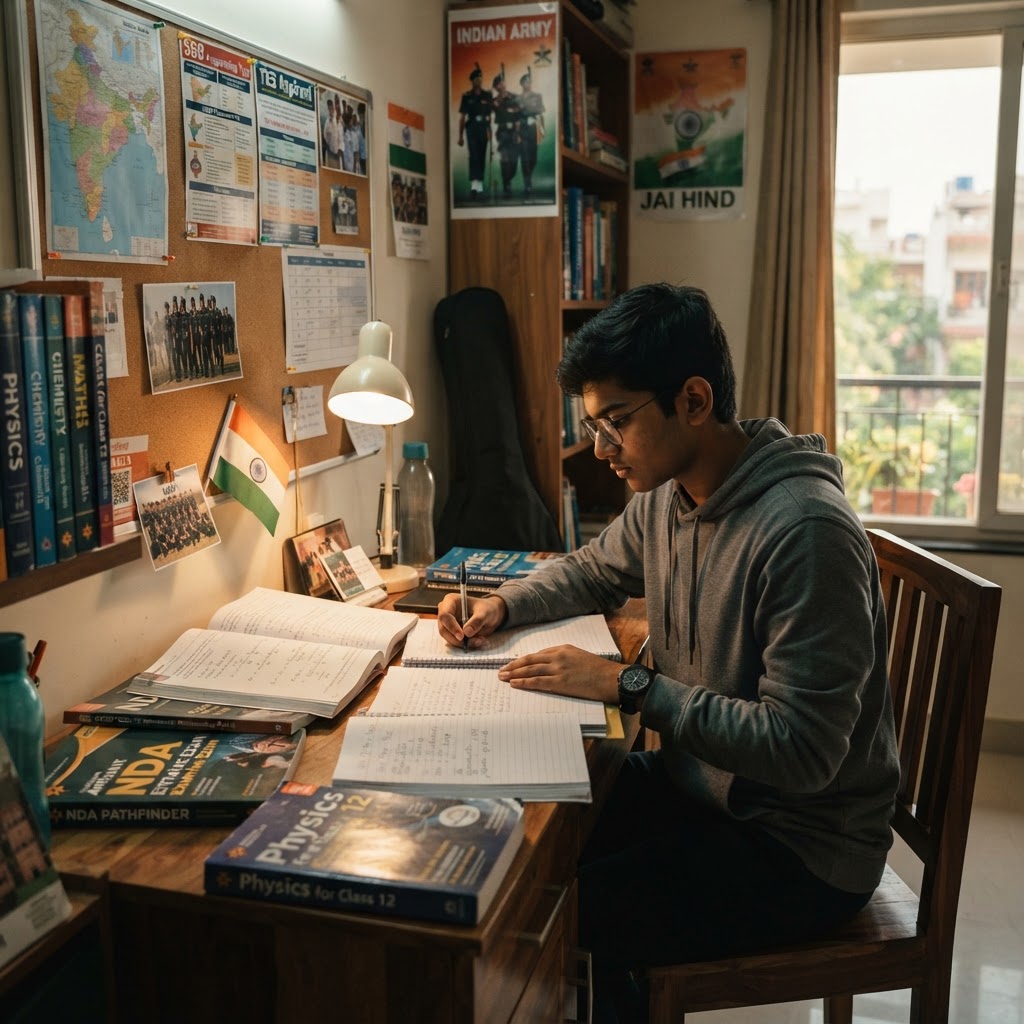
Key Points to Remember
Most Important Topics
Focus on Mathematics, Physics, and Engineering basics.
Quick Revision Formula
Use mnemonics and flashcards for quick recall.
Exam Strategy
Practice time management during the exam.
Do and Don't
Do practice previous papers; don't leave weak subjects for later.
Expert Tip
Understand concepts instead of rote learning.
❓ Frequently Asked Questions
🚀 Revision & Motivation

Start Your Defence Journey Today
Stay determined and focused on your goal for the TES exam in 2026. With the right strategy and a positive mindset, success is within your reach! Keep pushing your limits and aim for excellence.
Explore insights from the last 10 TES entries to enhance your selection chances for the Indian Army.