SSB Interview: The 8 Mistakes That Get Rejected on the First Day
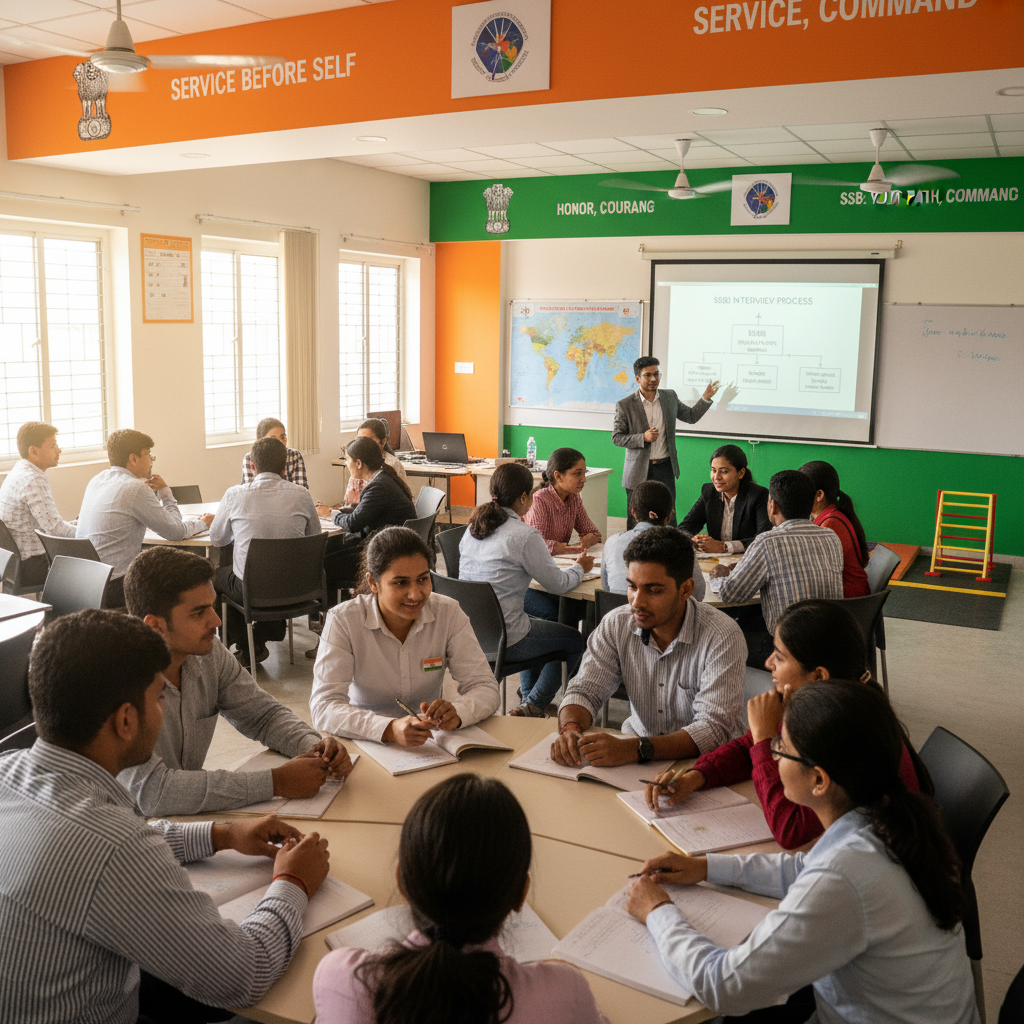
SSB interviews are critical for joining the Indian Armed Forces. This guide explores the eight common mistakes candidates make, leading to early rejection, and provides strategies to avoid them.
SSB Interview: The 8 Mistakes That Get Rejected on the First Day
Introduction
The SSB interview is a pivotal gatekeeper for candidates aspiring to join the Indian Armed Forces. Unlike traditional interviews, it emphasizes a holistic assessment through various psychological tests, group interactions, and personal evaluations. Many candidates walk into SSB without fully understanding the nuances of this process, leading to common pitfalls that can result in immediate rejection. In this article, we will explore eight critical mistakes that can cause candidates to get rejected on the first day, ensuring you're well-prepared and can avoid them.
Understanding the SSB Interview Structure
Before diving into the mistakes, it's essential to grasp the SSB's structure, which consists of four main components:
| SSB Components | Description |
|---|---|
| Psychological Tests | Includes TAT (Thematic Apperception Test), WAT (Word Association Test), and SRT (Situation Reaction Test) to evaluate personality and mental agility. |
| Group Discussions | Assessing teamwork, communication skills, and leadership potential among peers. |
| Personal Interview | A one-on-one session exploring personal motivations and aspirations. |
| Physical Assessment | Tests showcasing physical capabilities and stamina. |
Understanding these components not only prepares you for each section but also helps you recognize what evaluators are looking for.
The 8 Common Mistakes Leading to Rejection
Here are the eight most detrimental mistakes that candidates often make at the onset of their SSB journey:
1. Poor Preparation for Psychological Tests
Engaging thoroughly in TAT, WAT, and SRT preparation can set the foundation for your performance. Underestimating these tests can lead to poor assessment results that profoundly affect your overall score. Candidates often benefit from resources provided in AFCAT Prep: The Framework That Turns 3 Months Into a Selection.
2. Inadequate Group Participation
Many candidates fail to actively participate in group discussions, either by remaining silent or dominating the conversation. A balanced contribution that displays leadership while encouraging others is essential. It's about collaboration over competition. Practicing through mock discussions can greatly enhance your skills.
3. Neglecting Personal Grooming
The first impression counts. Candidates often underestimate the significance of personal hygiene and appearance. Ensure you dress appropriately and maintain a neat appearance as it reflects your seriousness about the process. Remember, in a competitive field, you want to stand out positively.
4. Rushing Through Responses
Patience can be a virtue in interviews. Many candidates rush their answers, appearing anxious or unprepared. Take a moment to collect your thoughts before responding; it shows confidence and clarity. This is a skill best cultivated through rigorous practice and self-reflection.
5. Failure to Understand the Question
Misinterpreting questions can lead to vague or irrelevant answers. Always clarify anything you do not understand; this shows that you value accurate communication and are keen to present clear and logical responses. Ensuring clarity can sometimes put you steps ahead of your peers in the process.
6. Neglecting Body Language
Body language conveys a significant amount about your confidence levels. Failing to maintain positive posture, eye contact, and appropriate expressions can be detrimental. Work on non-verbal communication skills as they greatly influence perception. Engaging in AFCAT Reasoning: The Question Types That Separate Toppers can inadvertently enhance these gestures too.
7. Ignoring Feedback
Many candidates shy away from constructive criticism during mock interviews. This attitude can hinder improvement and lead to the same mistakes during the actual interview. Embrace feedback as a powerful tool for growth. You can pair this attitude with structured practice to ensure maximized improvements.
8. Overlooking Current Affairs
Lack of awareness of national and international events can be a significant drawback in discussions and interviews. Staying updated not only enhances your engagement in conversations but also reflects your interest in global contexts. Regularly consuming news through resources like AFCAT GK: The 6-Month Reading System That Actually Retains will keep you well-informed.
Strategies to Avoid Common Pitfalls
To help negate these mistakes, here are practical strategies:
- Mock Interview Practice: Conduct mock interviews with peers or mentors to simulate the SSB environment and receive constructive feedback. This practice can replicate the actual conditions and help build confidence. An effective structure can be found in the AFCAT coaching.
- Self-Assessment: Regularly assess your performance in mock sessions. Pay attention to body language, clarity of speech, and overall presentation.
- Physical Fitness Regimen: Regular workouts not only boost immunity but also improve confidence, which is significant in your physical tests. Regular exercise is emphasized in NDA coaching.
- Study Current Affairs: Utilize resources like newspapers, current affairs websites, and dedicated news apps to stay informed. Knowledge of ongoing events provides context during discussions. Consider this in light of related events, such as the recent Defence Awards Ceremony: Recognizing Valor in Armed Forces.
- Time Management Skills: Create a study and preparation schedule that ensures you allocate enough time to each component of the SSB preparation.
Suggested Study Plan Overview
A structured study plan can help ensure you're adequately prepared. Here’s a suggested timeline:
| Timeframe | Focus Area | Activities |
|---|---|---|
| Weeks 1-2 | Psychological Tests | Engage in TAT, WAT, and SRT practice with expert resources like Cracking the SSB Interview and online platforms. |
| Week 3 | Group Discussions | Conduct peer discussions on trending topics to enhance speaking skills and confidence. |
| Week 4 | Physical Fitness | Incorporate regular exercise routines focusing on endurance and strength. |
Key Takeaways
- Preparation is Key: Familiarize yourself with all components of the SSB to build confidence.
- Participate Actively: Engage in discussions and communication to showcase teamwork and leadership. Organizations like Defence Dreamers Academy can provide additional resources for this.
- Body Language Matters: Always maintain a confident posture and eye contact.
- Stay Informed: Keep up-to-date with current affairs to enrich your discussions and responses.
FAQs
-
What are the primary components of the SSB interview process?
The SSB interview process includes psychological tests, group discussions, personal interviews, and physical assessments, each designed to evaluate various skills and attributes. -
How can I effectively prepare for psychological tests like TAT, WAT, and SRT?
Familiarize yourself with sample questions and practice them under timed conditions using comprehensive study materials available online. -
Why is physical fitness critical for the SSB interview?
Physical fitness impacts not just performance in physical tests but also enhances overall stamina and confidence levels. -
What role does body language play in an SSB interview?
Positive body language can communicate confidence and engagement, which significantly influences the interviewers' perception of you. -
How can I improve in group discussions?
Regular practice with peers or through preparation courses can enhance your ability to articulate thoughts clearly and engage with others effectively.
Navigating the SSB interview requires both strategic preparation and self-awareness. By recognizing and steering clear of these common mistakes, you can enhance your chances of success substantially. The right mindset, combined with adequate preparation, will not only assist you through the SSB process but also prepare you for a future in the Indian Armed Forces.
📸 Visual Reference
Key Points to Remember
Most Important Topics
Psychological Tests, Group Discussions, Personal Interviews are crucial for SSB.
Quick Revision Formula
Regular self-assessment and peer reviews can aid last-minute preparations.
Exam Strategy
Stay calm, think before you speak, and structure your responses logically.
Do & Don't
Do: Practice speaking clearly. Don't: Rush your answers without thinking.
Expert Tip
Engage in physical activities, as a well-prepared body can significantly boost confidence.
❓ Frequently Asked Questions
🚀 Revision & Motivation
Start Your Defence Journey Today
Embarking on the SSB journey is a significant step towards serving the nation. With determination and right strategies, you are well on your way to achieving your goal. Remember, every expert was once a beginner; so persevere and stay focused on your objectives.
Discover the 8 common mistakes that lead to rejection on the first day of your SSB interview and strategies to avoid them.