GPE: The 5 Planning Mistakes That Quietly Sink Your SSB Score
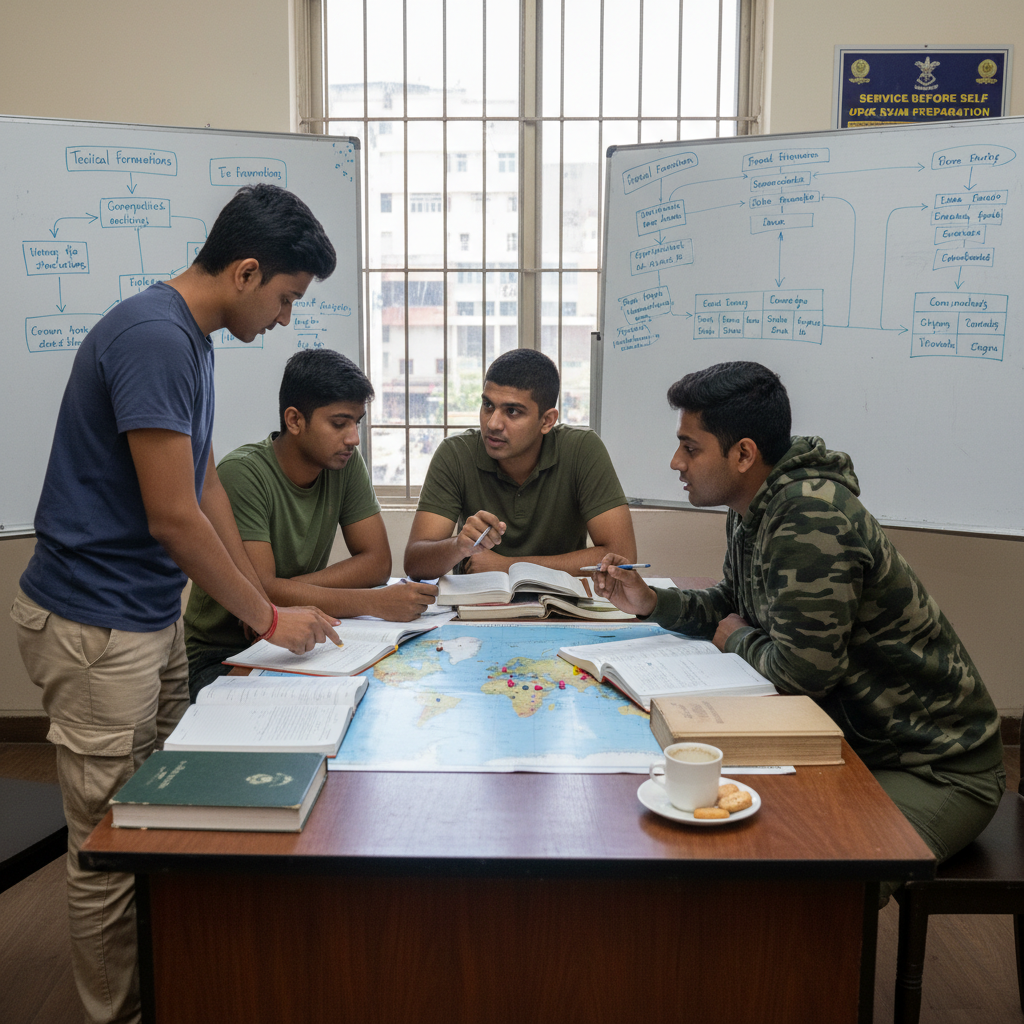
Avoiding common mistakes in the SSB GPE can significantly influence your score. This guide identifies five critical errors and offers strategies for success in your preparation.
GPE: The 5 Planning Mistakes That Quietly Sink Your SSB Score
Introduction
The SSB GPE (Group Planning Exercise) serves as a pivotal assessment in the SSB selection process, evaluating candidates' teamwork, leadership, and problem-solving abilities. When taking part in the GPE, a candidate's approach and decision-making processes can either elevate their performance or lead to significant pitfalls. This article outlines the five critical planning mistakes that can adversely affect your SSB score and offers insights on how to avoid them while enhancing your overall strategy for success.
What is the SSB GPE?
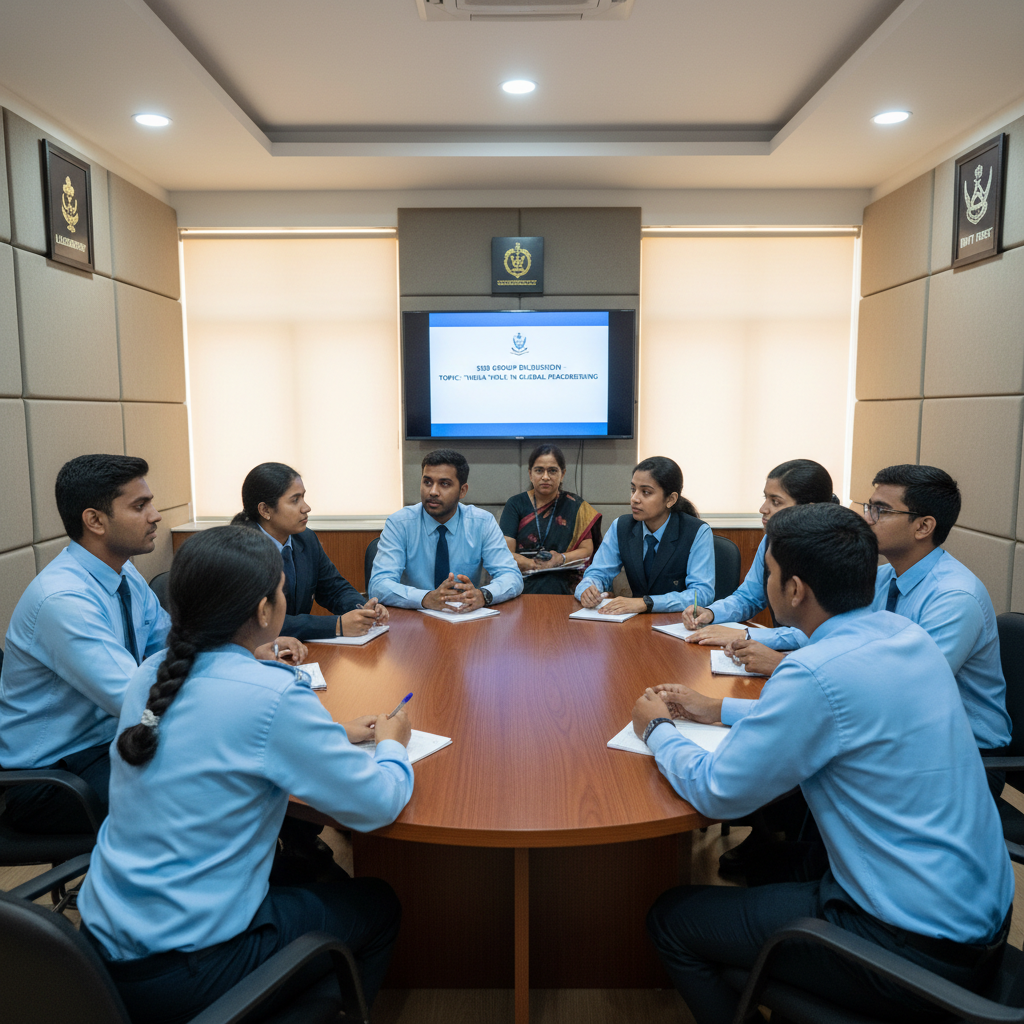
The Group Planning Exercise is a test designed to measure how candidates work together in teams to solve predetermined military scenarios. The exercise requires candidates to assess a situation, devise a plan, and communicate their solutions effectively, showcasing essential skills that are crucial for future officers. For detailed insights, you can refer to our article on GPE: How to Build a Plan That Looks Like an Officer Thought of It.
Why It Matters
The GPE is not merely an exercise; it is an opportunity for candidates to exhibit leadership, teamwork, and decision-making under pressure, traits that are indispensable within the armed forces. Examiners closely evaluate how each participant contributes to group dynamics, which reflects the candidate’s potential as a future officer. To understand the officer-like qualities that assessors look for, check out our post on 15 OLQ Signals Assessors Read in You Before You Speak.
Common Planning Mistakes to Avoid
Understanding common pitfalls can help you navigate the GPE more effectively. Here are five critical mistakes that can sink your SSB score:
1. Dominating the Discussion
Candidates may be tempted to take charge, overshadowing others' contributions. This can stifle creativity and prevent the team from crafting a comprehensive solution. Instead:
- Encourage Participation: Engage all members, inviting opinions and suggestions to enrich the solution.
- Active Listening: Show that you value your peers' insights, which will enhance team cohesion and collaborative planning. Be mindful of how assessors watch your performance, as discussed in our article on What Assessors Actually Watch During Your GTO Performance.
2. Overcomplicating Solutions
Some candidates propose intricate plans that are difficult to communicate and execute. This can confuse the group and consume precious time. To avoid this:
- Simplicity is Key: Opt for clear, logical solutions that everyone can understand and potentially implement.
- Prototype Ideas: Share a rough draft of your plan early, allowing for adjustments based on group feedback.
3. Failure to Analyze the Scenario
Jumping straight into planning without fully grasping the scenario can lead to a misguided action plan. Candidates often misinterpret critical details. Instead:
- Thorough Analysis: Spend initial moments dissecting the scenario. Identify core problems and available resources.
- Scenario Mapping: Create a visual outline, which can help clarify thoughts and decisions. It’s essential to practice this analysis, as outlined in our post about SRT: What Your Answers Say About You That You Don't Realize.
4. Ignoring Time Management
Poor time management can unravel even the best plans. Candidates might spend too long on one aspect or rush the presentation phase, leading to an incoherent solution. To master time:
- Allocate Time Wisely: Divide the GPE time into segments—scenario analysis, group brainstorming, and presentation phases.
- Practice Under Timed Conditions: Simulate the GPE environment by participating in mock exercises to build proficiency. This practice can be aligned with techniques from our SSB Interview: The Framework That Helped a Beginner Clear First Attempt.
5. Neglecting to Summarize
Failing to succinctly present the final plan can hinder the impact of the group's efforts. Without a clear conclusion, examiners may misunderstand the proposal's strength. Instead:
- Clear Presentation: Conclude with a summary highlighting each team member’s contributions and the plan’s essence.
- Invite Feedback: Allow team members to voice any last thoughts, ensuring the plan is robust and inclusive.
Effective Strategies to Excel in GPE
Here are some premium strategies to enhance your GPE performance:
- Role Assignment: Early on, clarify roles within your team (e.g., leader, note-taker, presenter) to streamline the process.
- Mock Exercises: Combine practice with feedback from mentors or peers to continuously improve your skills. Engaging in mock sessions can mimic the real GPE, enhancing readiness.
- Debrief Sessions: After each exercise, hold a review session to analyze strengths and areas for improvement. This creates a foundation for future success in SSB preparation, similar to what is required in NDA coaching or CDS coaching.
Key Takeaways
- Mistakes can lead to a lower score, so awareness of common errors is paramount.
- Fostering collaboration enhances solutions and fosters a positive group dynamic.
- Clear and effective communication is vital in presenting a coherent plan.
- Time management is not just about speed; it's about ensuring quality in every part of the process.
- Debriefing after exercises provides insights that enhance future performances.
Preparedness Plan
Weekly Schedule
- Day 1: Analyze previous GPE examples and note common themes.
- Day 2: Conduct mock GPEs with friends to refine your approach.
- Day 3: Study team dynamics and roles; identify your strengths and weaknesses.
- Day 4: Focus on creating concise, actionable plans across various scenarios.
- Day 5: Practice your time management to ensure efficiency in solution development.
- Day 6: Gather feedback from peers and mentors, incorporating their suggestions.
- Day 7: Rest and reflect, ensuring you understand your progress and areas needing work.
FAQs
-
What should I focus on during the GPE?
Focus on active listening, clarity in communication, and effective role management. -
How can I improve my time management skills for GPE?
Practice under timed conditions and analyze how much time you allocate to various tasks to find balance. -
Is it beneficial to practice GPE alone?
While individual analysis is valuable, group practice enhances your ability to collaborate effectively. -
What kind of scenarios should I prepare for?
Familiarize yourself with resource allocation, crisis management, and logistical planning. -
How can I tackle complex problems presented in GPE?
Break them down into manageable parts, focusing on one aspect at a time while ensuring group cohesion.
Final Summary
Mastering the SSB GPE requires keen awareness of common mistakes alongside effective communication and planning. Being cognizant of your role and understanding team dynamics will ensure a successful outcome. By preparing wisely, you not only enhance your chances of success but also build the leadership skills necessary for a future in the armed forces.
Key Insights
- Focus on collaboration to overcome challenges.
- Maintain clear communication to articulate your persuasive proposals.
- Stay conscious of time to ensure no detail is overlooked in planning.
Embrace the GPE with confidence — your future as an officer depends on it!
📸 Visual Reference
Key Points to Remember
Most Important Topics
Understanding team roles is crucial for effective participation.
Quick Revision Formula
ACR (Assess, Collaborate, Report) for structured responses.
Exam Strategy
Use the time effectively; divide it wisely among analysis, planning, and presenting.
Do and Don't
**Do** listen to your team; **Don't** monopolize the conversation.
Expert Tip
Engage all group members to encourage diverse solutions.
❓ Frequently Asked Questions
🚀 Revision & Motivation

Start Your Defence Journey Today
The **SSB GPE** is an essential exercise that tests your collaborative problem-solving skills. By preparing effectively and understanding team dynamics, you can significantly enhance your chances of success. Each exercise is an opportunity to showcase your leadership potential — embrace it with confidence and determination!
Learn about 5 critical planning mistakes in SSB GPE that can undermine your score and strategies to excel in the Group Planning Exercise.