SRT: What Your Answers Reveal About You to the Psychologist

The Situation Reaction Test (SRT) is crucial for SSB exams, assessing candidates' instinctive reactions and character traits essential for military service. Understanding your responses is key to effective preparation and success.
SRT: What Your Answers Reveal About You to the Psychologist
Introduction
The Situation Reaction Test (SRT) is a vital component of the Services Selection Board (SSB) exams, assessing candidates' instinctive reactions and decision-making skills. This test plays a pivotal role for aspirants aiming for esteemed officer positions across the Indian Army, Navy, and Air Force in 2026. Understanding the implications of your responses in the SRT can provide valuable insights into your character, making it essential for candidates to prepare effectively. For comprehensive preparation, consider our SSB interview coaching to enhance your performance.
Quick Answer
The SRT evaluates candidates' instant reactions to various situations, revealing personality traits critical for military service, including leadership, teamwork, and problem-solving skills.
What Is SRT?
The Situation Reaction Test (SRT) is a psychological assessment method employed during the SSB interview process. In this test, candidates are presented with hypothetical situations, and they must articulate their immediate reactions and planned actions. Evaluators analyze not only the responses but also the thought processes, decision-making patterns, and ethical considerations displayed in the answers. This makes it crucial for defense aspirants to familiarize themselves with common SRT scenarios to prepare adequately.
Why It Matters
Understanding the SRT is crucial for defense aspirants due to the following reasons:
- Aspirant’s Reaction: Your immediate responses can reflect underlying personality traits desirable for military service.
- Assessment of Leadership Skills: Responses may demonstrate potential leadership abilities and teamwork orientation.
- Decision-Making Skills: The ability to handle stress and make choices under pressure is crucial for military effectiveness. These insights can be complemented by our article on 15 OLQ Signals Assessors Read in You Before You Speak for further understanding of leadership traits.
Key Concepts
Key Aspects of the SRT
| Aspect | Description |
|---|---|
| Situational Awareness | Recognizing and interpreting dynamics in given situations. |
| Crisis Management | Effectively addressing problems in high-pressure environments. |
| Ethics and Values | Making decisions that align with moral and ethical standards. |
Sample Situations in SRT
The following are common scenarios you might encounter:
- Accident Response: You witness a road accident. What immediate action do you take?
- Intervention in Harassment: A fellow officer is being harassed. Your response?
- Crisis Management: You lose important documents just before a critical exam. How do you react? Embracing various scenarios will sharpen your response strategies.
Important Topics
- Nature of Scenarios: Familiarize yourself with diverse situational topics that may be presented in the SRT.
- Personality Reflection: Understand how your answers can reflect your character and cognitive considerations.
- Common Themes: Focus on recurrent themes such as teamwork, leadership, ethics, and crisis resolution. Exploring The 10 SRT Scenarios That Reveal Your True Decision-Making Style can provide further insights into these themes.
Preparation Strategy
Step-by-Step Action Plan
- Understand the SRT Format: Familiarize yourself with the structure, style, and timing of the test.
- Practice Regularly: Engage in mock tests to simulate the actual exam environment.
- Analyze Responses: Review your answers critically to identify strengths and weaknesses in your approach.
- Seek Feedback: Actively request analysis from mentors or peers to gain insights and clarify your decision-making paths.
- Brush Up on Ethics: Reading literature on military ethics will deepen your understanding and help you craft responses effectively.
Effective Study Plan
Weekly Schedule
| Day | Activity |
|---|---|
| Day 1-4 | Practice 5 SRT scenarios daily. |
| Day 5 | Review responses and request feedback. |
| Day 6 | Study ethical decision-making in a military context. |
| Day 7 | Mock interview practice with peers. |
Daily Schedule
| Time | Activity |
|---|---|
| Morning | Read and analyze various SRT scenarios (30 mins). |
| Afternoon | Write down reactions to 3 scenarios (1 hour). |
| Evening | Reflect on decisions made (30 mins). |
Exam Strategy
Scoring Tips
- Be Realistic: Ensure that your proposed actions are practical and achievable.
- Stay Calm: Cultivate composure during the test to facilitate clear thinking.
- Use Clear Language: Articulate your thoughts in a straightforward, readable format.
Time Management
- Allocate a specific time for each scenario during your practice (about 30 seconds per question).
- Ensure that all responses are completed within the designated timeframe during the test.
Common Mistakes
- Overthinking Responses: Keep your answers straightforward; avoid convoluted rationale.
- Ignoring Instructions: Adhere to the given prompts closely to ensure comprehensive responses.
- Inconsistencies in Logic: Your answers must be logically cohesive and ethically sound.
Myths vs. Reality
| Myth | Reality |
|---|---|
| Quick responses mean better scores. | Quality of thought is more important than speed. |
| Complex answers showcase depth. | Simple, clear answers may be more effective. |
| More examples imply better reasoning. | Consistency in thought process matters most. |
Expert Tips
“The SRT focuses on your genuine reactions and instinctual responses. Be true to yourself, as authenticity shines.” This authenticity plays a pivotal role not only in the SRT but also in your overall SSB interview performance.
SSB Interview Preparation
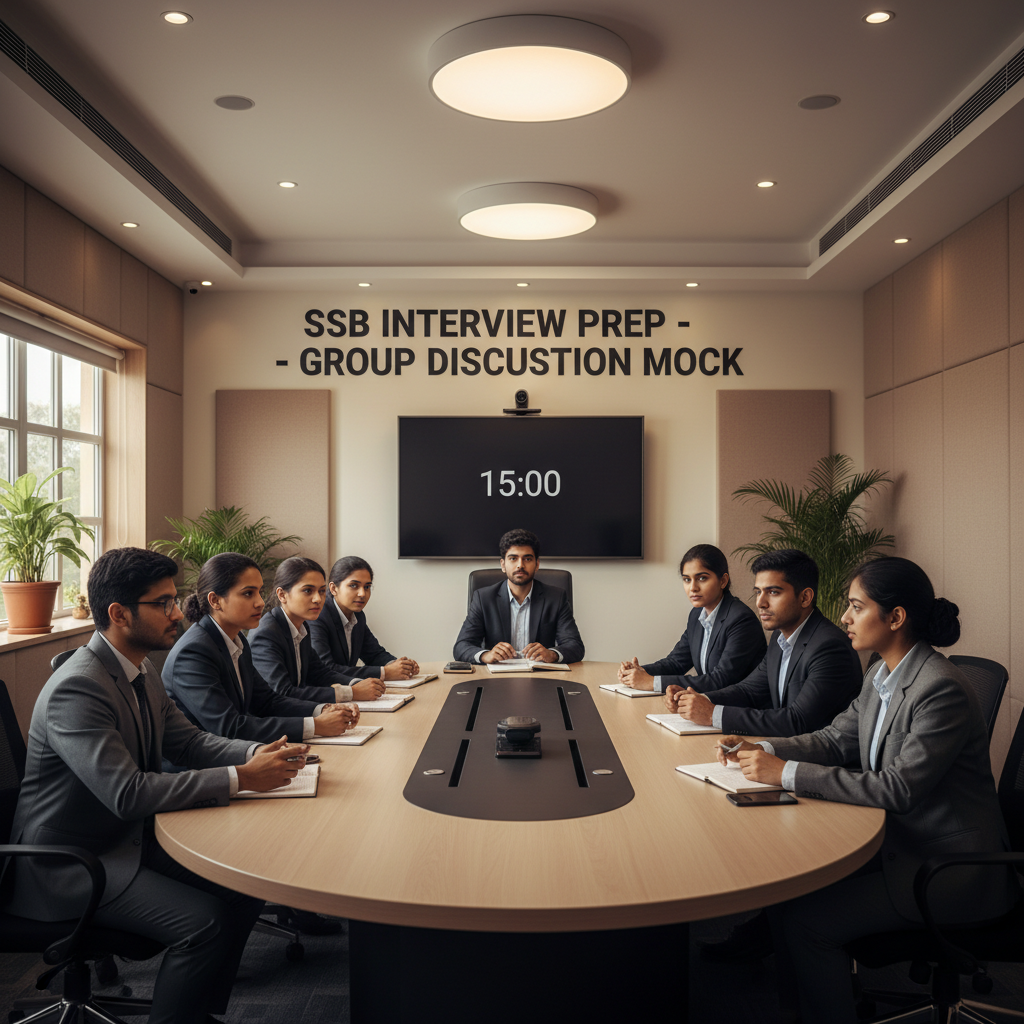
Integrate your SRT preparation with other facets of the SSB, like Group Discussions and Personal Interviews. Your ability to convey your reactions can enhance your narrative and positively impact your overall presentation.
Key Takeaways
- The SRT is not just a test of intelligence but a reflection of your personality.
- Regular practice, reflection, and ethical understanding are vital in preparation.
- Genuine and clear responses resonate with evaluators and demonstrate your suitability for military service.
FAQs
1. What is the purpose of the SRT in SSB?
The SRT assesses candidates' innate decision-making abilities, crucial for the responsibilities of military service.
2. How many questions are there in the SRT?
Typically, the SRT includes around 60 situational questions.
3. What is the best way to prepare for the SRT?
Regular practice coupled with constructive feedback from mentors is key to effective SRT preparation. Be sure to refer to our SRT guide for additional tips.
4. Are there specific themes to focus on during SRT preparation?
Absolutely; focus on themes such as teamwork, leadership, ethics, and crisis management.
5. How important is ethical decision-making in SRT?
Ethics are vital as they reflect your core values and readiness for a military career.
6. Can I enhance my response time for the SRT?
Yes, practicing under timed conditions can significantly accelerate your response time.
7. What pitfalls should I avoid in the SRT?
Avoid complex responses and ensure your actions proposed are feasible and realistic.
Final Summary
Your preparation for the SRT is essential for excelling in the SSB exams. Approach this test with resilience, integrity, and authenticity, showcasing your best qualities as a defense aspirant. Remember, every step in your preparation brings you closer to serving your country with dedication and honor.
📸 Visual Reference
Key Points to Remember
Most Important Topics
Focus on teamwork, leadership, ethics, and decision-making scenarios in SRT.
Quick Revision Formula
Practice under time constraints to enhance response speed and confidence.
Exam Strategy
Stay calm, articulate clearly, and utilize realistic decision-making in scenarios.
Do and Don't
Do be realistic and concise in your answers; Don't overthink or stray from standard ethical frameworks.
Expert Tip
Focus on authentic reactions; they highlight your true potential.
❓ Frequently Asked Questions
🚀 Revision & Motivation

Start Your Defence Journey Today
Your preparation for the SRT is crucial for your success in the SSB exams. Approach it with resilience and integrity, showcasing your best self as an aspirant. Remind yourself that each step you take brings you closer to serving your country in the armed forces.
Discover how your responses in the SRT reveal your personality traits and best preparation strategies for the SSB exams.