60 WAT Words That Reveal Whether You Think Like an Officer
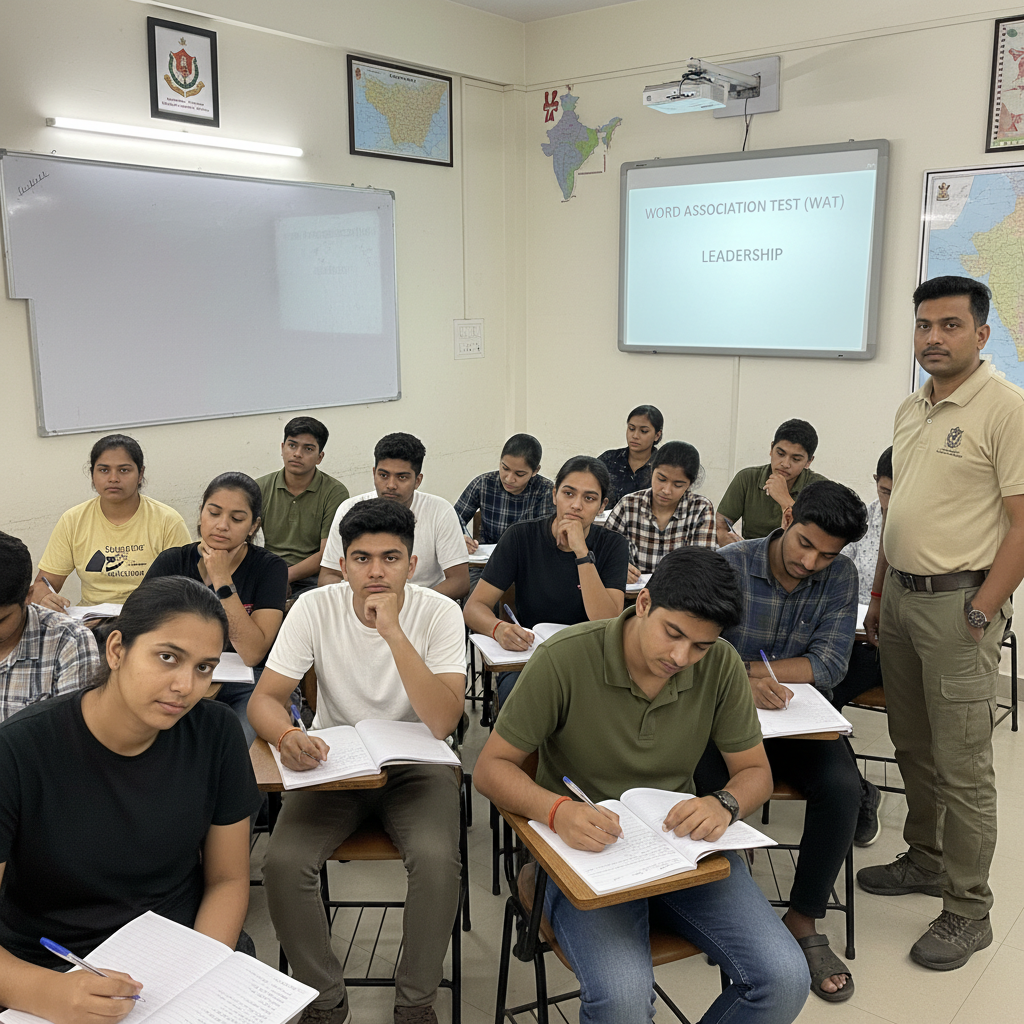
The Word Association Test (WAT) is essential for aspirants of Indian defence forces. This in-depth guide covers preparation strategies, common pitfalls, and key themes to master WAT effectively.
Introduction
The Word Association Test (WAT) is a significant component of the Service Selection Board (SSB) interviews, which are pivotal for aspirants aiming to join the Indian Army, Navy, and Air Force. This test evaluates a candidate's cognitive responses, personality insights, and abilities to think under pressure, making it essential to master. A well-structured WAT preparation can drastically improve your performance, showcasing your suitability for a leadership role in the armed forces. Therefore, understanding common WAT words and practicing your responses is crucial for aspiring candidates.
What Is WAT?
The Word Association Test is a psychological assessment designed to gauge the emotional and cognitive agility of candidates during SSB interviews. In this test, candidates are presented with a series of words and must respond with the first word that comes to their mind. This exercise is designed to assess:
- Instant response capability: The ability to think and respond quickly.
- Thought processes: How you associate different concepts and ideas.
- Emotional reflexes: Your innate reactions to various prompts and stimuli. Understanding these aspects can make a significant difference in your overall SSB interview preparation.
Why It Matters
Mastering the WAT is of immense significance for defence aspirants due to the following reasons:
- Reflects Mental Agility: Demonstrates how swiftly you can formulate ideas under pressure, a crucial skill in military environments.
- Insights into Personality Traits: WAT reveals your leadership potential and adaptability—qualities that are necessary for an officer. This ties in with the OLQ explained as understand how your word choices illustrate your potential.
- Enhances Communication Skills: Builds a foundation for effective expression, critical for teamwork and mission success.
Key Concepts in WAT
To succeed in WAT, understanding some key concepts is essential:
- Response Timing: Responses should be instinctive—training yourself to trust your first instinct is vital.
- Word Relevance: The response you give reflects your mindset and thought processes. Each word carries a deeper implication of your character and thinking style.
- Psychological Evaluation: Your choices in responses will be analyzed by psychologists during the assessment to evaluate your emotional and cognitive state. Familiarizing yourself with timed drills can significantly enhance your instinctual responses.
Important Themes to Consider
When preparing for the WAT, it helps to focus on common themes. Candidates should consider:
- Leadership Qualities: Words that reveal insights about your views on teamwork and authority, paralleling the insights needed for GTO tasks.
- Emotional Responses: Recognizing emotional keywords and your honest reactions to them.
- Ethics and Values: Understanding how your responses align with core defence values and current national sentiments.
Preparation Strategy for WAT
A structured preparation strategy is essential:
- Familiarize with Common WAT Words: Understand a wide array of common words that frequently appear in WAT testing.
- Practice Your Response Time: Implement timed drills to improve your capacity for quick thinking and immediate response.
- Analyze Your Responses: After practice, review your word associations to identify recurring patterns or emotional triggers in your thought processes.
Sample Weekly Study Plan
| Days | Activity Type | Focus Area |
|---|---|---|
| Days 1-3 | Practice different word sets | Exposure and familiarity |
| Days 4-5 | Assess and analyze responses | Pattern recognition |
| Day 6 | Mock tests under timed conditions | Time management |
| Day 7 | Review performance and determine improvement areas | Reflection and adjustment |
Common Mistakes to Avoid
Understanding common pitfalls can help streamline your preparation:
- Overthinking Responses: WAT requires instinct rather than analysis. Trust your mind’s first reaction.
- Neglecting Emotional Connections: Recognizing emotions associated with words can enhance your responses, similar to the SRT scenarios you might encounter.
- Inconsistent Practice: Regular practice leads to proficiency; sporadic attempts will hinder your improvement.
Expert Tips to Excel in WAT
Trust your first instinct—your initial response often unveils your true thoughts. Regularly practice with peers for valuable feedback and develop a better understanding of your response dynamics.
SSB Interview Preparation—Integrating WAT
It’s essential to include WAT practice in your overall SSB preparation. Focus on concurrent aspects such as communication, stress management, and personality development to ensure a holistic approach. Engaging in mock interviews can significantly enhance your performance and confidence, paralleling the strategies discussed in GPE preparations.
Key Takeaways
- Immediate Responses Reflect Personality: Your quick reactions in the WAT are integral to assessing your personality and thought processes.
- Prepare Using Timed Practices: Familiarity with common words and practicing under timed conditions will bolster your confidence and align with your SSB interview goals.
- Embrace Mistakes as Learning Opportunities: Analyze errors to identify gaps in your thought patterns and eliminate them.
FAQs
- What types of words are typically used in WAT?
Words can span from everyday vocabulary to complex concepts, reflecting leadership, ethics, or emotions. - How much time is allotted for each response in WAT?
Candidates typically have 15 seconds to respond to each word. - Is there a specific number of words in WAT?
The test usually consists of 60-100 words. - Can WAT preparation be integrated into other SSB preparations?
Absolutely! WAT practice should be part of your regular SSB study routine. - What should I do if I feel stuck during the test?
Stay calm, take a deep breath, and trust your instinct rather than deliberating too much.
Conclusion
Mastering the WAT Word Association Test List 2026 transforms you into a well-rounded candidate and prepares you for the intense psychological evaluations of the SSB interview. Continuous practice, trust in your instincts, and targeted preparation strategies will drive you toward excellence in one of the most vital phases of your defence career path.
📸 Visual Reference

Key Points to Remember
Most Important Topics
Familiarize with leadership themes, ethical values, and emotional connections.
Quick Revision Formula
Practice speed drills with common WAT words.
Exam Strategy
Stay calm; time your responses to ensure communication effectiveness.
Do and Don't
Do trust your instincts; don’t overthink.
Expert Tip
Regular feedback from peers enhances your response quality.
❓ Frequently Asked Questions
🚀 Revision & Motivation

Start Your Defence Journey Today
Your success in the WAT can significantly enhance your SSB interview performance. Stay focused, be optimistic, and channel your efforts towards achieving your goal of serving in the Indian Armed Forces!
Explore key strategies, common pitfalls, and an extensive list of 60 words for the WAT. Master your SSB preparation with our expert guide.