TES Medical: The 7 Tests That Eliminate Candidates Before SSB
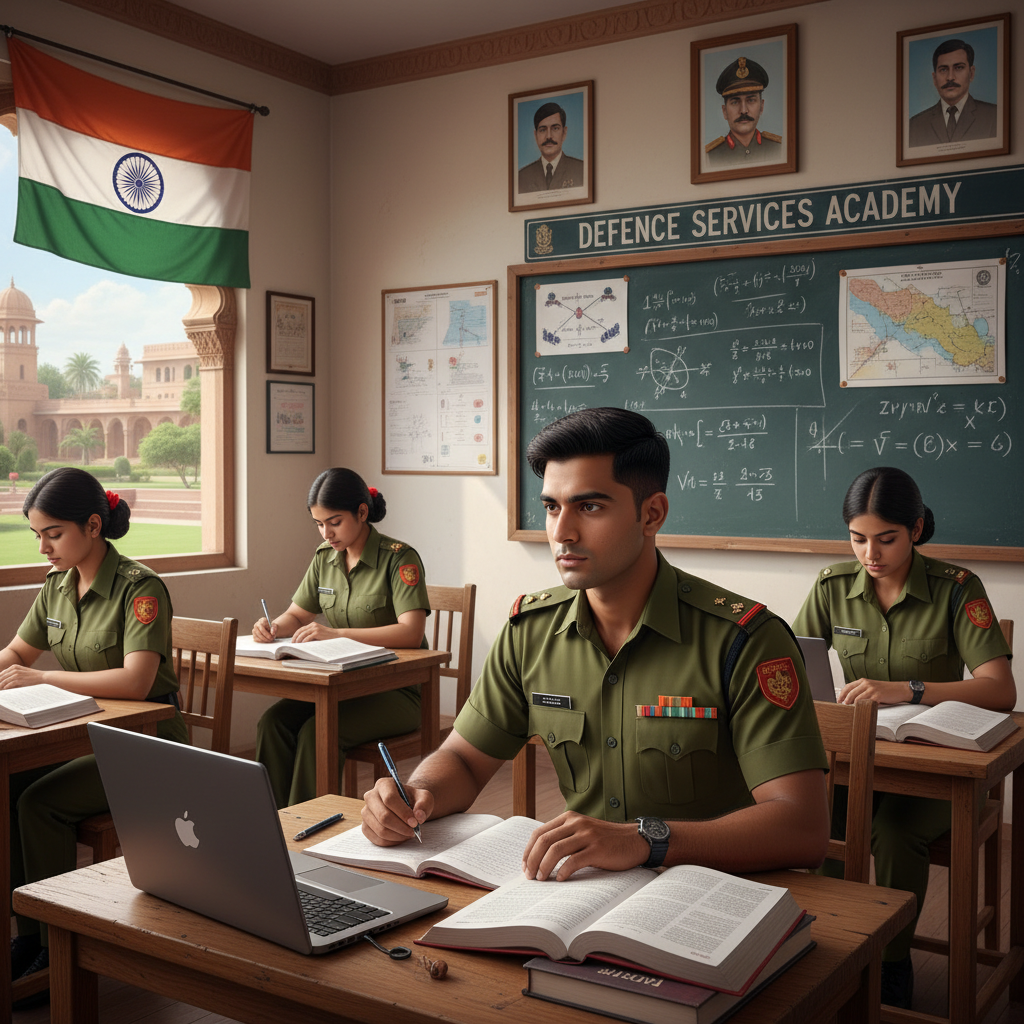
The article covers the vital medical tests for candidates applying for the Technical Entry Scheme in the Indian Army, including vision standards, physical health, psychological evaluations, and preparation strategies. Understanding these tests is essential to avoid disqualification before reaching SSB.
TES Medical: The 7 Tests That Eliminate Candidates Before SSB
Introduction
The TES Medical Test Requirements are crucial for aspiring candidates hoping to join the Technical Entry Scheme in the Indian Army. This comprehensive medical assessment ensures that every individual is both physically and mentally fit for the rigors of military service. Failure to meet any of the outlined criteria can lead to immediate disqualification, making it imperative to understand these requirements fully. This article explores the seven critical medical tests that could eliminate candidates before they reach the Services Selection Board (SSB).
Key Medical Standards for TES
The Indian Army has established stringent medical standards to ensure that candidates can handle the demands of military life. Below is a detailed examination of the seven key tests that aspirants must pass:
1. Vision Standards
- Minimum Requirement: Candidates must possess at least 6/6 vision in one eye and 6/9 in the other eye, without severe ocular defects.
- Color Blindness: Candidates must not exhibit any form of color blindness, which can hinder essential operational duties.
2. Physical Health Examinations
Routine checks on several physical attributes are vital:
- Height: Candidates typically must be at least 157.5 cm tall, with variations based on specific army requirements.
- Weight: Weight must be proportionate to height, adhering to prescribed BMI standards.
- Chest Measurement: An expanded chest measurement of at least 5 cm more than the normal measurement is required.
3. Hearing and Dental Requirements
- Hearing: Normal hearing abilities are mandatory, with no significant impairments affecting learning or operational efficiency.
- Dental Health: Dental examinations ensure there are no major issues that could arise while in service, such as untreated cavities or gum diseases.
4. Blood Tests and Other Medical Evaluations
- Blood Tests: Routine blood tests screen for various health conditions, including infectious diseases and blood-related disorders. Understanding what to expect in these tests is essential for candidates, as outlined in the article on The Medical Tests That Quietly Disqualify TES Candidates.
- Urinalysis: A urine test may be conducted to check for signs of underlying health issues.
5. Psychiatric Evaluation
The psychological fitness of candidates is also evaluated:
- Cognitive Tests: These assess critical decision-making skills and problem-solving capabilities needed for military roles. Candidates can improve their performance by practicing with mock tests and cognitive assessments, which can be found in various resources focusing on TES SSB Preparation.
- Emotional Resilience: Candidates are tested for emotional stability and teamwork abilities under stressful conditions.
6. Common Disqualifying Conditions
Understanding potential disqualifiers can help candidates prepare efficiently:
- Chronic Illnesses: Severe asthma, uncontrolled diabetes, and significant cardiovascular diseases are disqualifying conditions. For more insights into common disqualifiers, refer to TES Eligibility: The 6 Conditions That Disqualify Candidates Silently.
- Physical Disabilities: Permanent disabilities or deformities such as severe limb deformities can lead to immediate disqualification.
- Mental Health Issues: Mental health disorders requiring ongoing medication or treatment can disqualify candidates.
7. Lifestyle Choices
Candidates' lifestyle choices also play a significant role:
- Substance Use: Regular consumption of alcohol, tobacco, or recreational drugs can lead to elimination from the selection process.
- Fitness Levels: Poor physical fitness levels can adversely affect results during medical evaluations.
Preparation Strategies for Medical Requirements
To maximize your chance of passing the TES Medical Tests, consider the following preparation strategies:
Self-Assessment
- Conduct Regular Health Checks: Regularly track your weight, height, and vision to ensure compliance with army standards. This aligns with articles focusing on Will You Actually Qualify for TES? Check These 8 Edge Cases.
- Consult Health Professionals: Schedule check-ups with doctors to address any ongoing health issues.
Physical Fitness Regimen
- Balanced Exercise: Incorporate cardiovascular, strength, and flexibility training 3-4 times weekly.
- Examples:
- Cardio: Running, swimming, cycling
- Strength: Push-ups, squats, planks
- Flexibility: Yoga and stretching routines
- Examples:
- Nutrition: Maintain a rich diet filled with proteins, vitamins, and minerals to enhance physical performance.
- Example Foods: Leafy greens, whole grains, lean proteins, nuts, and fruits.
Common Mistakes to Avoid in Preparation
Identifying and avoiding common mistakes will help ensure a more effective preparation phase:
- Neglecting Physical Fitness: Many candidates overlook the importance of a consistent workout routine.
- Underestimating Psychological Assessment: Mock tests for cognitive evaluations are essential for proper preparation.
- Ignoring Diet and Nutrition: Poor nutritional habits can undermine both physical and mental performance at the medical examinations.
- Stress Management: Underestimating stress management can negatively impact your performance pre-test.
Study Plan for TES Medical Preparation
Here’s a structured study plan leading up to your medical examinations:
Week 1-2: Focus on Physical Fitness
- Set Goals: Define specific fitness milestones; aim for gradual increases in strength and endurance.
- Sample Schedule:
- Monday: Running or sprinting
- Wednesday: Strength training
- Friday: Flexibility and yoga sessions.
Week 3: Dietary Adjustments
- Consult a Nutritionist: Tailor your diet to focus on health and fitness goals.
- Familiarize with Nutritious Foods: Learn meal preparations focusing on macro- and micronutrient balance.
Week 4: Cognitive Brain Training
- Utilize Online Resources: Engage with practice cognitive tasks available on educational platforms. For comprehensive preparation strategies, check CDS Prep: The Decision Framework Behind Every Topper's Schedule.
- Simulate Real Test Conditions: Practice these assessments under time constraints for realistic experience.
Key Takeaways
- Know the Standards: Familiarize yourself with the critical vision, physical, and psychological standards required for TES.
- Preparation is Key: Consistent physical fitness and cognitive assessments significantly improve your eligibility.
- Avoid Common Mistakes: Neglecting diet, fitness, and stress management can adversely affect your assessment outcomes.
FAQs
- What are the vision requirements for TES?
Candidates must meet a vision standard of 6/6 in one eye and 6/9 in the other, without significant ocular issues. - Which chronic conditions disqualify a candidate?
Severe asthma, uncontrolled diabetes, and persistent cardiovascular conditions can lead to disqualification. - How do I prepare for psychological assessments?
Regular cognitive tests and active stress management techniques can aid in this preparation. - What fitness regimen is recommended?
A balanced exercise routine incorporating cardio, strength, and flexibility exercises will help meet the standards. - How should I manage previous health issues?
Consult a healthcare provider for thorough guidance on managing and presenting health concerns.
By understanding and adequately preparing for these medical requirements, candidates can significantly enhance their chances of success in becoming part of the esteemed Indian Defence Forces.
📸 Visual Reference

Key Points to Remember
Most Important Topics
Vision standards, physical fitness, and psychological assessments.
Quick Revision Formula
Consistent health checks, maintaining fitness, and practicing psychological tests.
Exam Strategy
Conducting self-assessments and mock tests regularly.
Do & Don't
Always consult health professionals; avoid panic and unorganised study routines.
Expert Tip
Remain proactive with your health checks; don’t wait until the last moment before assessment.
❓ Frequently Asked Questions
🚀 Revision & Motivation

Start Your Defence Journey Today
In conclusion, the TES Medical Test Requirements can seem daunting; however, with the right preparation and mindset, success is attainable. Remember, every effort you put into your health will pay off when you achieve your dream of serving in the Indian defence forces! Stay motivated and keep pushing forward!
Discover the 7 critical medical tests in TES that can eliminate candidates before the SSB. Learn preparation strategies and common pitfalls to avoid.