Non-Verbal Reasoning: The Visual Pattern Framework for AFCAT
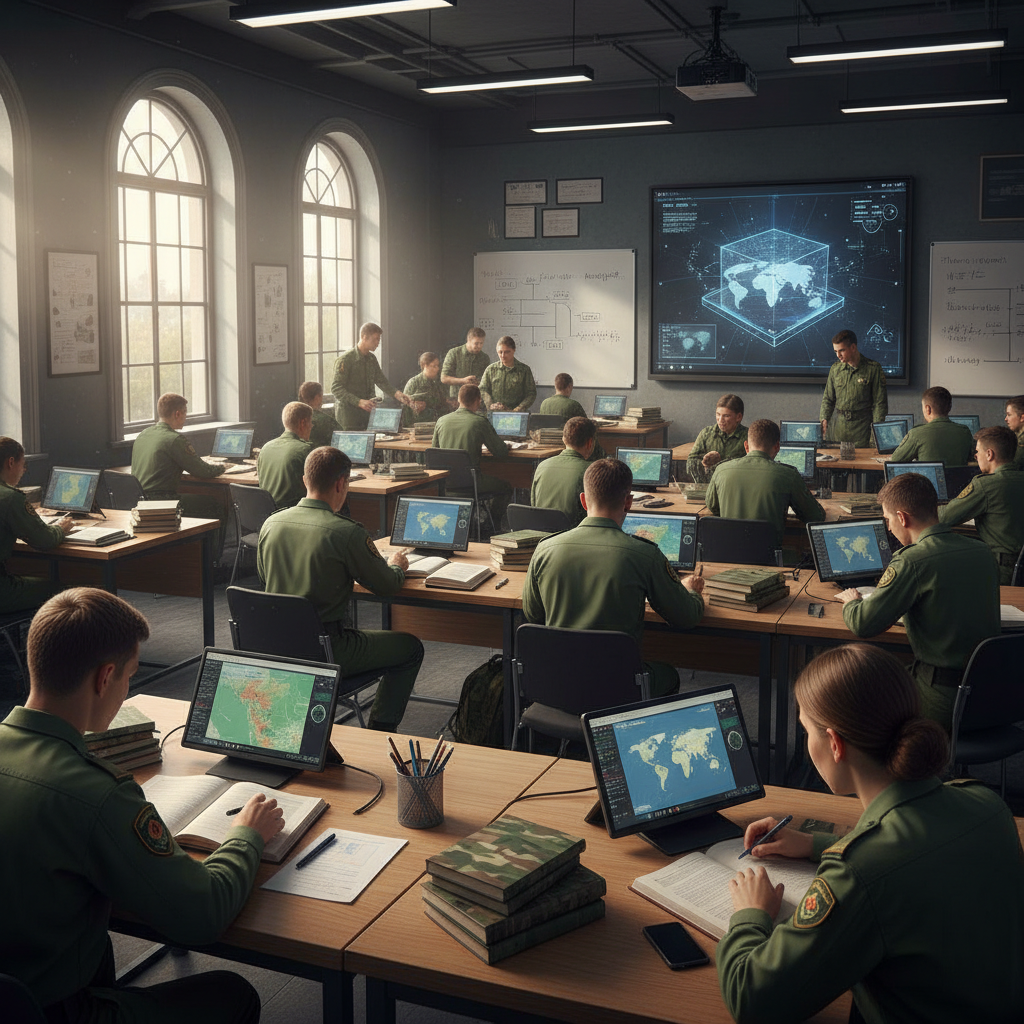
This comprehensive guide on Non-Verbal Reasoning for AFCAT details essential strategies, key concepts, and effective study plans for candidates aiming for success in this challenging section.
Non-Verbal Reasoning: The Visual Pattern Framework for AFCAT
Introduction
Preparing for the AFCAT (Air Force Common Admission Test) can be a daunting task, especially with the various sections it encompasses. Among these, the Non-Verbal Reasoning section stands out as a core component that tests candidates' abilities to analyze and infer information from visual data. In this guide, we will delve into the essential strategies, concepts, and effective resources to excel in the Non-Verbal Reasoning part of the AFCAT 2026.
Understanding Non-Verbal Reasoning
Non-Verbal Reasoning assesses a candidate's visual analytical skills and pattern recognition capabilities. This section plays a crucial role in determining one's ability to handle real-world military challenges where non-verbal skills are often vital. Here are some key takeaways regarding its importance:
- Critical for Selection: Non-Verbal Reasoning significantly impacts overall AFCAT scores, making it essential for candidates. For detailed insights on why candidates often lose marks in reasoning, check out Why Most AFCAT Aspirants Lose Reasoning Marks—Not Knowledge.
- Cognitive Development: Enhancing visual reasoning skills not only aids in better exam performance but also improves spatial awareness crucial in military roles.
Key Concepts / Important Topics
A solid grasp of the following important topics is imperative:
| Topic | Description |
|---|---|
| Figure Series | Identifying the next figure in a series of images. |
| Analogy | Understanding relationships between various shapes or figures. |
| Classification | Grouping similar figures or identifying the odd one out. |
| Mirrored Images | Recognizing shapes that have been reflected. |
| Embedded Figures | Finding shapes within larger figures. |
| Pattern Completion | Completing a sequence of shapes or figures correctly. |
| Paper Folding | Visualizing the outcomes of folding or cutting paper. |
Focus Areas
Direct your preparation towards mastering these topics to build confidence and competency in handling Non-Verbal questions effectively. For targeted practice, consider solving some Can You Solve These AFCAT Figure Patterns in Under 30 Seconds?.
Effective Strategies for Non-Verbal Reasoning
To maximize your performance in the Non-Verbal Reasoning section, consider implementing the following strategies:
- Regular Practice: Consistently engage with AFCAT previous years' papers and online resources to familiarize yourself with question patterns. This is crucial for mastering the topic of Non-Verbal Reasoning as discussed in Non-Verbal Reasoning: Why Speed Beats Logic in AFCAT.
- Visualization Techniques: Develop the skill of visualizing shapes in different orientations; mastering this can significantly enhance your problem comprehension.
- Elimination Method: When faced with uncertain options, use the elimination process to narrow down choices, boosting your chances of selecting the correct answer.
- Time Management: Practice effectively under timed conditions to improve speed and decision-making during the examination.
- Study Common Patterns: Familiarize yourself with recurring patterns to streamline your problem-solving process.
Expert Tips
- Check All Options: Always verify each option carefully, as simpler answers may be overlooked amidst more complex ones.
- Practice with Variation: Employ different problem-solving methods to expand your analytical skills.
Common Mistakes & How to Avoid Them
It's essential to be aware of common pitfalls:
- Rushing Through Questions: Don’t hurry; take time to analyze each question thoroughly.
- Ignoring Instructions: Always read instructions carefully, as misunderstandings can lead to mistakes.
- Lack of Diverse Practice: Consistent exposure to various problem types is critical for skill enhancement.
- Neglecting Visuals: Don’t skip drawing figures when necessary; visual aids can clarify relationships.
Crafting an Effective Study Plan
An organized study plan can greatly aid in mastering Non-Verbal Reasoning:
- Regular Schedule: Allocate specific hours daily for focused Non-Verbal Reasoning practice. Aim for at least two hours each day.
- Resource Utilization:
- Books: Use AFCAT-specific preparation books that focus on Non-Verbal Reasoning.
- Online Courses: Engage in targeted online modules designed for reasoning skills enhancement. Consider enrolling in AFCAT coaching for structured learning.
- Mock Tests: Regularly simulate the AFCAT test environment to identify strengths and weaknesses.
- Group Study Sessions: Collaborate with peers to solve challenging concepts and learn new strategies.
- Self-Assessment: Conduct quizzes after each topic to evaluate understanding and reinforce learning.
- Review Notes: Regularly revisit your notes to keep key concepts fresh.
Comparison of Study Resources
When selecting study resources, consider the following comparisons:
| Resource Type | Advantages | Limitations |
|---|---|---|
| Books | Comprehensive coverage of Non-Verbal Reasoning concepts. | May lack interactive components. |
| Online Courses | Interactive, often updated with current exam formats. | Can vary in quality and price. |
| Mock Tests | Offers real exam experience, timing, and pressure. | May not cover all question types. |
Key Takeaways
- Master the Basics: Strong fundamentals in Non-Verbal concepts are critical.
- Practice Regularly: Consistency is vital for developing visual reasoning abilities. For more tips, read about the 20 English Topics That Decide Your AFCAT Score.
- Time Management: Timed practice simulates test conditions, preparing you effectively.
- Analyze Mistakes: Learning from errors prevents repetition and improves overall performance.
- Collaboration: Engaging with peers fosters a diverse learning environment.
FAQs
Q1: What types of questions are included in Non-Verbal Reasoning?
A1: Expect question types like figure series, analogy, classification, and pattern completion that test visual analysis and spatial reasoning.
Q2: How can I improve my speed in solving Non-Verbal reasoning questions?
A2: Regularly engaging in timed tests and emphasizing pattern recognition can enhance your speed and accuracy.
Q3: Are previous AFCAT question papers useful for practice?
A3: Absolutely—they provide insights into the format and types of questions asked, aiding in effective preparation. You can find useful materials in What 3 Months of AFCAT Prep Actually Looks Like—Day by Day.
Q4: What resources are best for studying Non-Verbal Reasoning?
A4: Recommended resources include specialized preparation books and online courses focusing on reasoning skills.
Q5: How much preparation time should I devote to Non-Verbal Reasoning?
A5: Practicing for at least 1-2 hours daily consistently will foster significant improvement over time.
Q6: Can I study Non-Verbal Reasoning topics without prior knowledge?
A6: Yes, many resources are designed for beginners, allowing gradual comprehension and skill development.
Conclusion
Mastering Non-Verbal Reasoning for AFCAT can indeed be a challenge, yet it holds significant potential for those committed to the journey. By utilizing effective strategies, engaging in consistent practice, and adhering to a structured study plan, you can significantly enhance your chances of success in the examination. Embrace the preparation process, bolster your confidence, and pursue excellence in your aspirations for a defence career!
📸 Visual Reference

Key Points to Remember
Most Important Topics
Focus on key areas like Figure Series and Analogy to excel.
Quick Revision Formula
Regularly revise by practicing with past papers.
Exam Strategy
Use elimination for tricky questions and manage your time effectively.
Do & Don't
Do visualize figures; don’t rush through questions.
Expert Tip
Practice different methodologies to approach problems in Non Verbal Reasoning.
❓ Frequently Asked Questions
🚀 Revision & Motivation

Start Your Defence Journey Today
The journey to mastering Non Verbal Reasoning for the AFCAT can be intricate, but with the right strategies and dedication, success is within reach. Continue practicing, believing in your capabilities, and aim for excellence in your defence aspirations!
Master Non-Verbal Reasoning for AFCAT with key strategies, effective study plans, and essential topics to help you excel in the 2026 exam.