5 Habits Cadets Build in 6 Months That You Can Start Today

Discover five essential habits that cadets build in six months, which aspiring defence candidates can start adopting today to enhance their preparation for defence exams.
5 Habits Cadets Build in 6 Months That You Can Start Today
Introduction
Transforming from a civilian to an officer in the Indian Armed Forces demands commitment, discipline, and guidance. This journey, often filled with challenges, is not just a physical transformation but a mental and emotional one as well. In this article, we will explore five essential habits that cadets develop over six months, which aspiring defence candidates can start adopting today to improve their chances of success in defence examinations, including NDA coaching and CDS coaching.
Why These Habits Matter
These habits are instrumental in shaping a cadet's mindset and preparing them for the responsibilities they will shoulder as officers. They promote resilience, discipline, and overall personal development, which are crucial in the competitive landscape of defence exams. Let's delve into each habit systematically.
1. Time Management
Effective time management is crucial for cadets. Allocating sufficient time for study, physical training, and relaxation is essential for maintaining balance and ensuring comprehensive preparation.
Actionable Steps to Improve Time Management:
- Set Daily and Weekly Goals: Begin each week by outlining what you need to achieve daily.
- Use Tools: Leverage planners or digital calendars to track your studies and commitments.
- Prioritize: Focus on high-impact study areas and personal development tasks first.
Example Schedule:
| Day | Activity |
|---|---|
| Monday | Theory revision (2 hours) |
| Tuesday | Mock Test (1.5 hours) |
| Wednesday | Group study session (2 hours) |
| Thursday | Physical Training (1 hour) |
| Friday | Results Review and Adjustments |
| Saturday | Revision of Weak Subjects (3 hours) |
| Sunday | Rest and Recover |
2. Discipline
Cadets learn to maintain strict discipline in their daily routines, which is an essential quality for future officers. This discipline helps them stick to their study schedules and physical training plans.
Practices to Cultivate Discipline:
- Daily Routines: Wake up and sleep at the same time every day to build a natural rhythm.
- Limit Distractions: Identify and minimize distractions during study hours.
- Stay Accountable: Share your goals with peers to create accountability. For more insights on personal accountability, check out The Psychological Shift That Turns a Civilian Into an Officer.
3. Physical Fitness
Physical fitness is non-negotiable in military training, and cadets exercise regularly to build their endurance and strength. This habit doesn’t just prepare them physically; it also contributes to mental toughness.
Fitness Regimen to Consider:
- Cardiovascular Training: Engage in running, cycling, or swimming for stamina.
- Strength Training: Include exercises focusing on core strength, such as push-ups and squats.
- Regular Physical Assessments: Monitor your physical growth through regular fitness tests, which play a key role in SSB preparation.
4. Continuous Learning
Cadets develop an insatiable thirst for knowledge. Embracing a continuous learning mindset allows them to adapt to various examination patterns and understand new concepts better.
Tips for Effective Learning:
- Pre-Study Before Classes: Familiarizing yourself with subjects before learning them in-depth can enhance comprehension.
- Diverse Resources: Utilize books, online courses, and group studies to enrich your knowledge base. To further enhance your preparation, consider the AFCAT Prep: The Framework That Turns 3 Months Into a Selection.
- Adaptability in Methods: Try different study approaches—visual, auditory, and kinesthetic learning methods.
5. Mental Resilience
Last but not least, developing mental resilience is a defining quality of successful cadets. They learn to navigate stress and maintain focus under challenging circumstances.
Strategies to Build Mental Resilience:
- Mindfulness Practices: Engage in activities like meditation and yoga to improve mental clarity.
- Emotional Awareness: Regularly reflect on your emotions and seek constructive ways to cope with stress.
- Positive Affirmations: Daily affirmations can foster a positive mindset and boost confidence levels.
Key Takeaways
- Implement Time Management: Structure your day and prioritize tasks to ensure a balanced preparation.
- Cultivate Discipline: Establish routines that promote accountability and minimize distractions.
- Focus on Fitness: Regular physical activity enhances both physical and mental resilience.
- Commit to Continuous Learning: Keep updating your knowledge and adapt to changes in exam patterns.
- Build and Maintain Mental Resilience: Use stress-management techniques to better handle exam pressures.
FAQs
1. How can I effectively manage my study time for defence exams?
Start by creating a detailed study plan that includes short and long-term goals. Use planners to track progress and incorporate time for breaks.
2. What physical activities should I focus on to improve my fitness for exams?
Focus on a combination of cardiovascular activities, strength training, and flexibility exercises to build overall fitness.
3. Can I develop mental resilience without prior experience?
Absolutely! Mental resilience can be developed through consistent practice, stress management techniques, and positive self-talk.
4. Is joining a coaching center beneficial for defence exam preparation?
Yes, coaching centers can provide structured study materials, experienced instructors, and peer support, particularly for individuals needing guidance regarding AFCAT coaching in Lucknow.
5. How important is discipline in the life of a defence officer?
Discipline is crucial as it reflects commitment, responsibility, and reliability, essential qualities for effective leadership in the armed forces.
Conclusion
Adopting these five habits—Time Management, Discipline, Physical Fitness, Continuous Learning, and Mental Resilience—will not only empower you in your preparation for defence exams but also prepare you for life as a military officer. Start today, and embark on your journey with dedication and purpose.
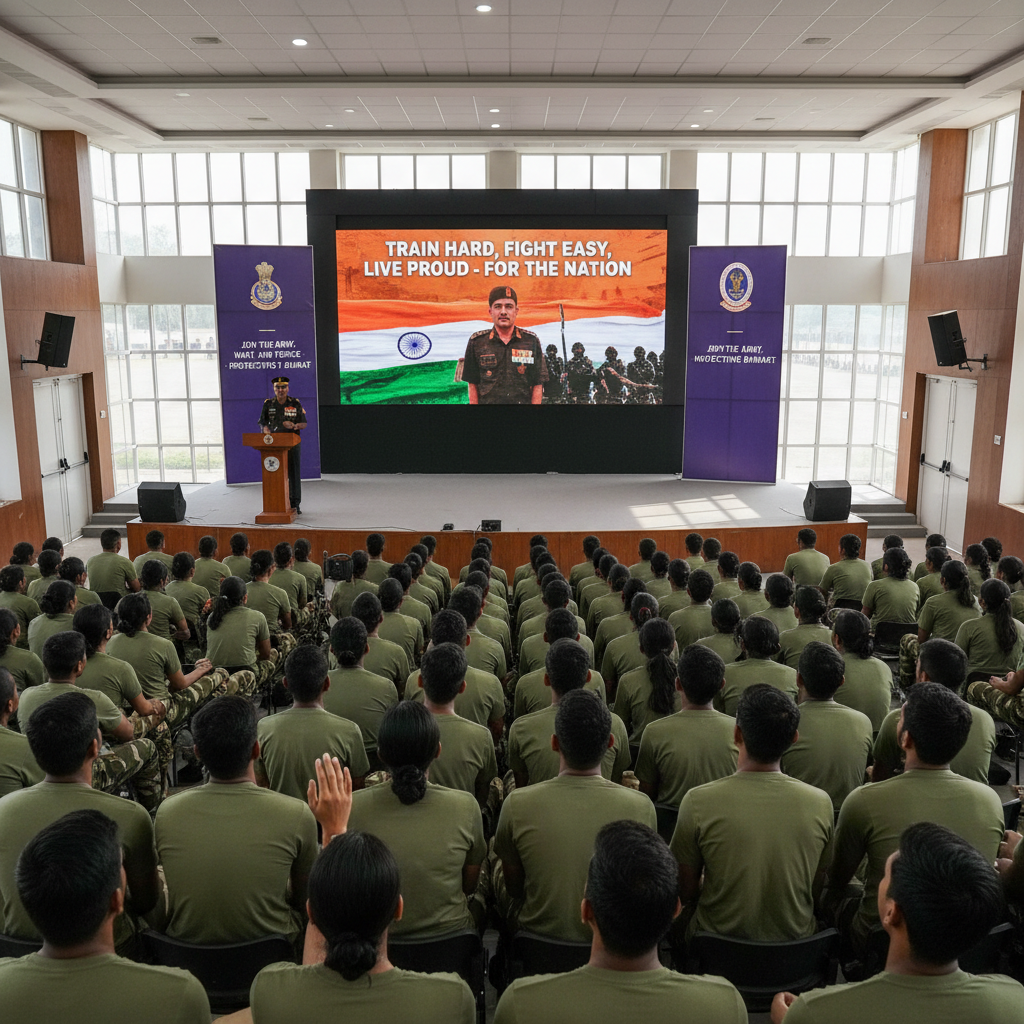
📸 Visual Reference

Key Points to Remember
Most Important Topics
Understanding exams like NDA, CDS, SSB
Quick Revision Formula
Use acronyms and flashcards for effective learning
Exam Strategy
Focus on time management and question clarity
Do and Don't
Keep a balanced study approach, avoid procrastination
Expert Tip
Improve both your strengths and weaknesses for a well-rounded profile
❓ Frequently Asked Questions
🚀 Revision & Motivation
Start Your Defence Journey Today
Your transformation from civilian to officer is not just an aspiration; it’s a journey filled with motivation, hard work, and resilience. Stay committed, follow these strategies, and remember that every step taken today brings you closer to your dream of wearing the uniform proudly.
Build crucial habits in six months to boost your defence exam preparation. Start today for a successful transformation into an officer.