Command Task in SSB: What the Assessor Writes About You
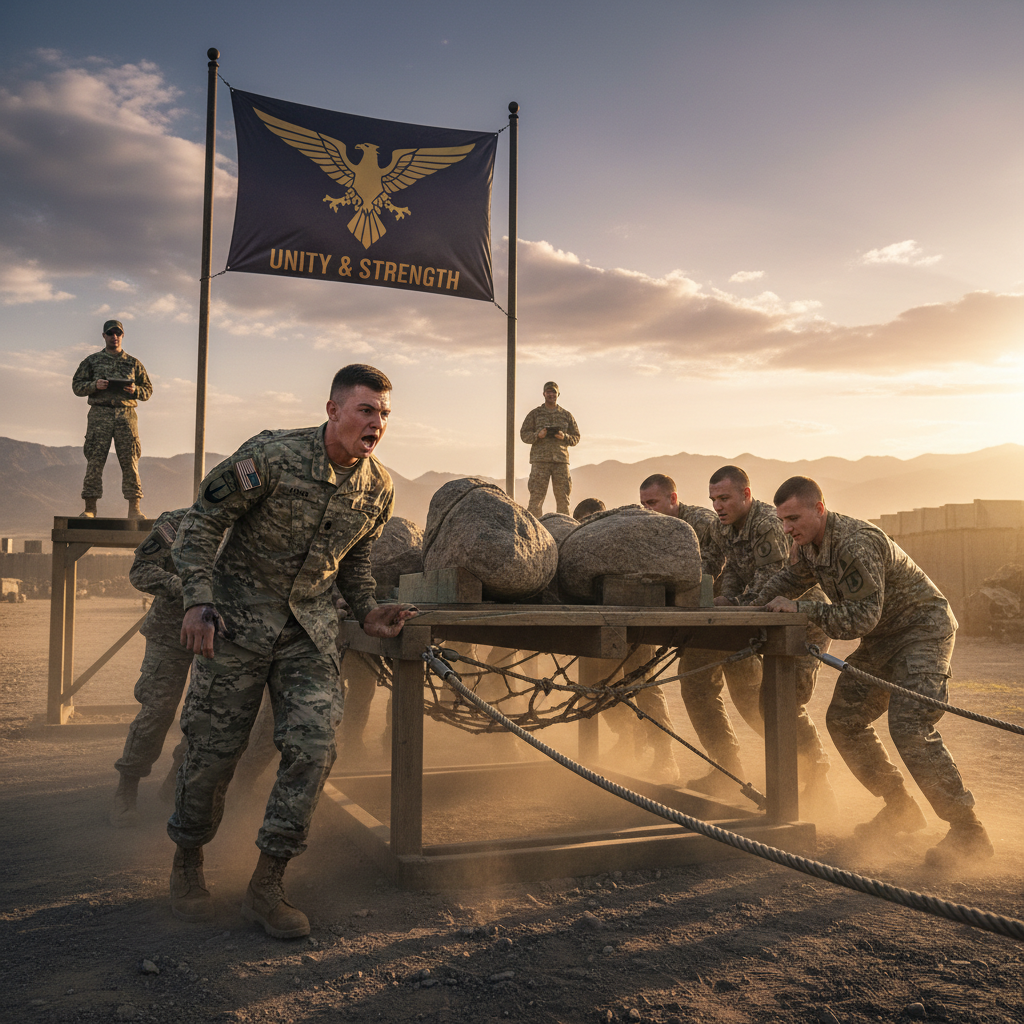
This article extensively covers the Command Task in SSB, detailing what assessors evaluate, successful strategies, common mistakes, and crucial preparation tips, ensuring candidates are well-equipped to excel in this key component of the selection process.
Command Task in SSB: What the Assessor Writes About You
Introduction
The Command Task is a crucial part of the SSB (Services Selection Board) interview process, specifically designed to evaluate candidates' leadership capabilities, strategic thinking, and problem-solving skills under pressure. As you prepare for 2026, understanding this component is essential for bolstering your chances of selection. This article dives deep into what assessors look for during command tasks, common pitfalls, effective strategies, and preparation tips to ensure you shine in this challenging assessment. For a broader understanding of the SSB process, check out our guide on the SSB 5-Day Process.
Understanding the Command Task
The Command Task revolves around presenting candidates with a hypothetical scenario requiring them to lead a small team to accomplish a specific task. Key components typically evaluated include:
- Leadership Qualities: Your capability to lead, inspire, and motivate team members, alongside your decision-making skills. To learn about the qualities assessors look for, refer to 15 OLQ Signals Assessors Read in You Before You Speak.
- Effective Communication: Clarity and assertiveness in conveying ideas and instructions to the team.
- Team Dynamics: Understanding how to foster collaboration and encourage contributions from all team members. This is essential as teamwork often leads to the success of command tasks.
- Problem-Solving Skills: The ability to analyze situations, devise effective strategies, and execute plans under pressure.
Structure of a Command Task
A typical command task unfolds in the following stages:
- Problem Presentation: You are introduced to the problem or scenario.
- Planning Phase: You outline your approach to the task, delegating roles to your team.
- Execution: The team carries out the plan, while you manage resources and provide direction.
- Review Phase: After the task, reflecting on the team’s performance and accepting feedback.
What Assessors Write About You
During the Command Task, assessors focus on several crucial attributes:
- Decision-Making: They evaluate the timeliness and effectiveness of your decisions.
- Adaptability: How well you adjust your strategies in response to unexpected developments.
- Team Engagement: Your ability to involve team members actively and respond to their ideas.
- Leadership Style: The approach you take—encouraging collaboration versus dominating the discussion. Strategies for enhancing your leadership style can be found in Command Task: What the Assessor Is Actually Testing in You.
Strategies for Success
Here are some strategic approaches to implementing during your command tasks:
- The PAUSE Technique: Before rushing to a decision, take a moment to collect your thoughts. This will help you formulate a coherent plan.
- 3D Method: Define, Describe, and Demonstrate. Clearly define the task at hand, describe your reasoning, and demonstrate your leadership during execution.
- SOFT Approach: Focus on providing Specific, Objective, Flexible, and Timely guidance to your team.
Example of a Command Task Scenario
To illustrate, consider a scenario where you must lead a team to build a bridge using limited resources. Here’s how you might apply the above strategies:
- Define: Clarify the goal — construct a functional bridge.
- Describe: Share your thought process; discuss materials available and the strengths of your team.
- Demonstrate: Guide your team through the construction, ensuring everyone understands their role.
Common Mistakes & Avoidance Strategies
Many candidates fall into common traps during command tasks:
- Neglecting Team Input: Always involve team members in discussions—great ideas can come from collaboration.
- Over-assertiveness: While confidence is key, too much dominance can hinder team contribution.
- Poor Time Management: Monitor time closely and ensure tasks are adequately delegated.
- Ignoring Feedback: Openness to constructive criticism is vital for growth and improvement.
Expert Tip
Analyze previous command tasks you’ve encountered—identify strategies that worked and those that didn’t. Practical reflection can enhance your approach in future scenarios.
Study Plan & Resources
To prepare effectively for command tasks, consider a structured study plan that includes:
- Mock Sessions: Regular practice with peers or mentors simulating command tasks.
- Scenario Cards: Develop cards that outline various command task scenarios for real-time practice.
- Study Materials: Utilize books and guides focused on SSB preparation, such as the SSB Interview: The Framework That Helped a Beginner Clear First Attempt.
- Online Courses: Engage with interactive courses at Defence Dreamers Academy for tailored learning.
- Video Tutorials: Watch effective command task demonstrations on platforms like YouTube for visualization.
Key Highlights
- 📌 Leadership is critical. Understand your role as a leader in task execution.
- ⚡ Strategies to apply: Use PAUSE, 3D Method, and SOFT approaches for efficient task management.
- 🎯 Teamwork vs. Individual: Command tasks prioritize teamwork; ensuring everyone contributes is essential.
- ✅ Important Do’s & Don’ts: Do encourage dialogue; don’t dismiss team suggestions.
Key Takeaways
- A Command Task is an opportunity to showcase leadership and teamwork.
- Strategic planning and effective communication are vital for success.
- Regular practice and analysis of past performances can significantly improve your command task execution.
- Remember: Flexibility and adaptability in the face of challenges are qualities that assessors value highly.
FAQs
- What are assessors looking for in Command Tasks?
Assessors evaluate leadership abilities, decision-making skills, and the candidate's capacity to engage the team and respond to challenges. - How can I effectively prepare for Command Tasks?
Engage in mock scenarios, utilize resources like books and online courses, and practice team exercises. - What kind of mistakes should I avoid?
Avoid neglecting team input, being overly dominant, managing time poorly, and disregarding feedback. - Can I learn from previous candidates?
Yes, study past performances to recognize effective strategies and common mistakes that candidates have made. - What resources are best for Command Task prep?
Books focused on SSB interviews, Defence Dreamers Academy online courses, and peer practice groups are recommended.
Final Summary
Successfully navigating the Command Task in SSB requires thorough preparation, adaptability, and effective communication. Embrace the challenge as a chance for growth, reflect on past experiences, and prepare diligently. Remember, every task is not just a test but a stepping stone towards your success in the armed forces. Best of luck as you embark on this journey!
Hero Images


Mid Images


Final Images


📸 Visual Reference

Key Points to Remember
Most Important Topics
Leadership qualities in command tasks, task structure, communication skills.
Quick Revision Formula
PAUSE, 3D Method, SOFT Approach for efficient task handling.
Exam Strategy
Engage your team and adapt to feedback swiftly.
Do & Don't
Do delegate effectively. Don’t dominate the conversation.
Expert Tip
Analyze past performance to inform future improvements.
❓ Frequently Asked Questions
🚀 Revision & Motivation
Start Your Defence Journey Today
Embarking on the command task journey may seem daunting, but with the right preparation and mindset, you can excel in this crucial SSB component. Embrace challenges and remember, every task is an opportunity for growth. Believe in yourself, and success will follow!
Discover effective strategies and insights into the Command Task in SSB to boost your selection chances. Learn what assessors look for and how to excel.